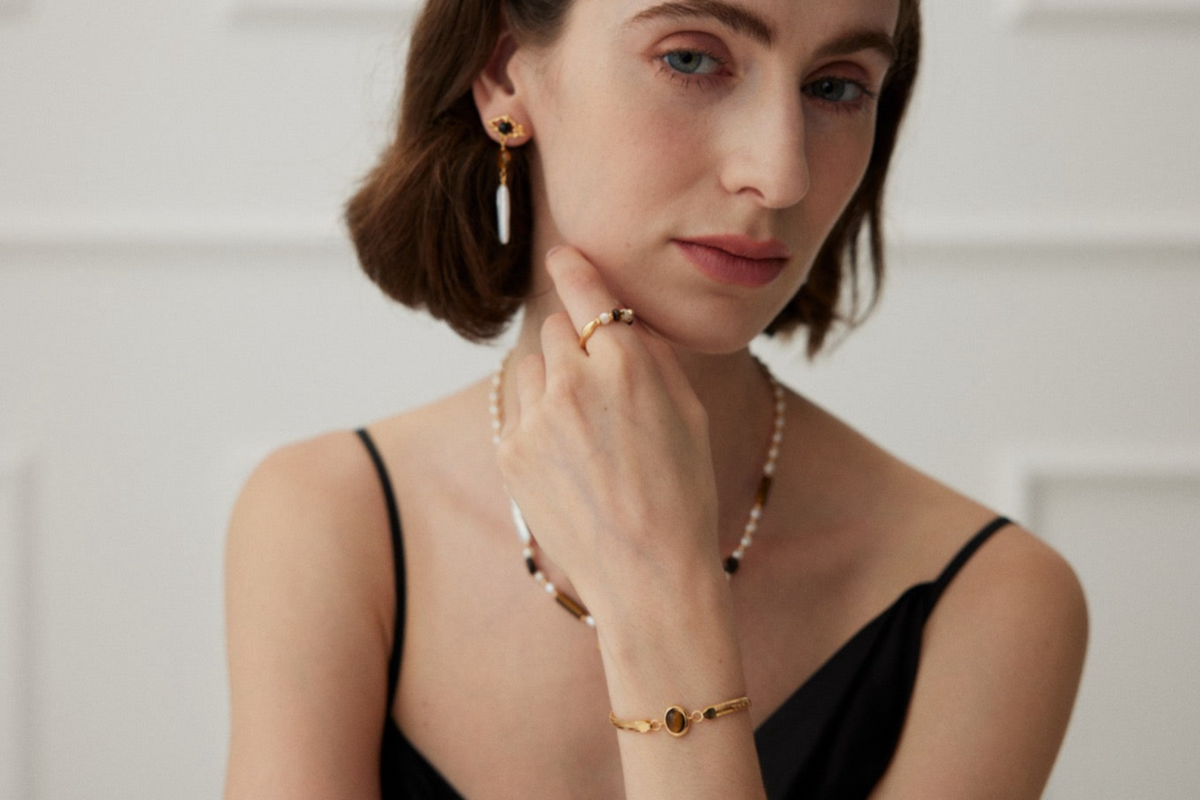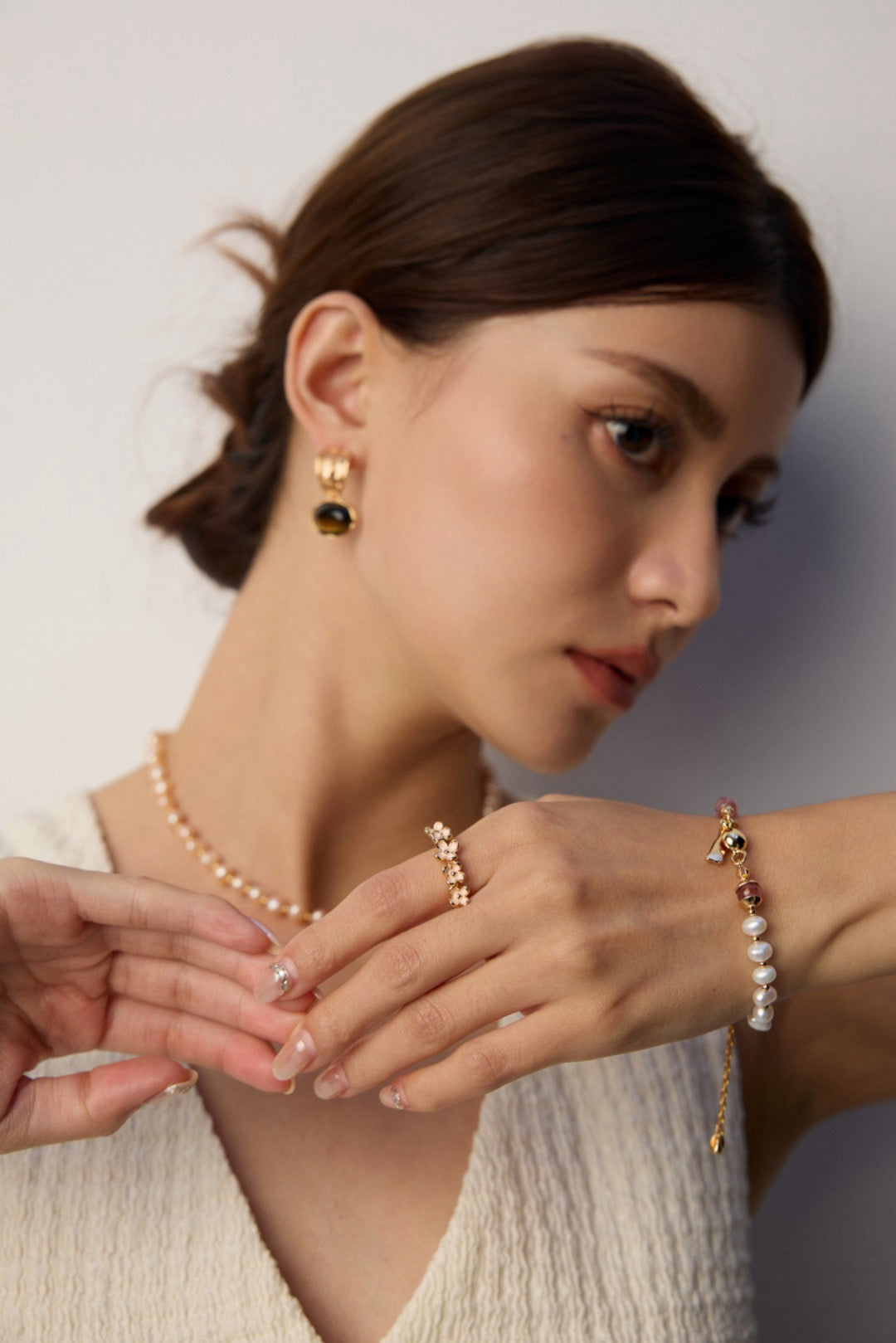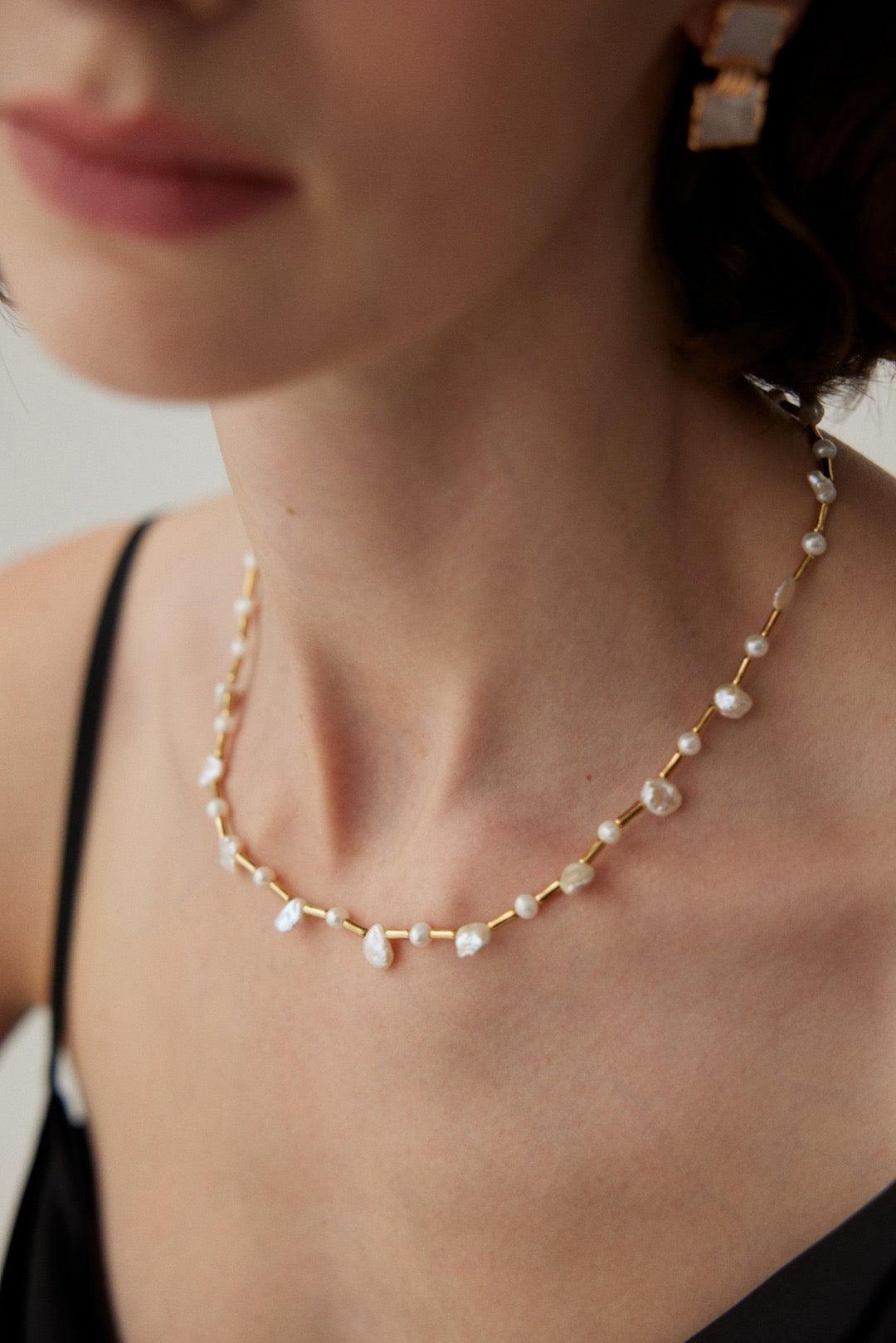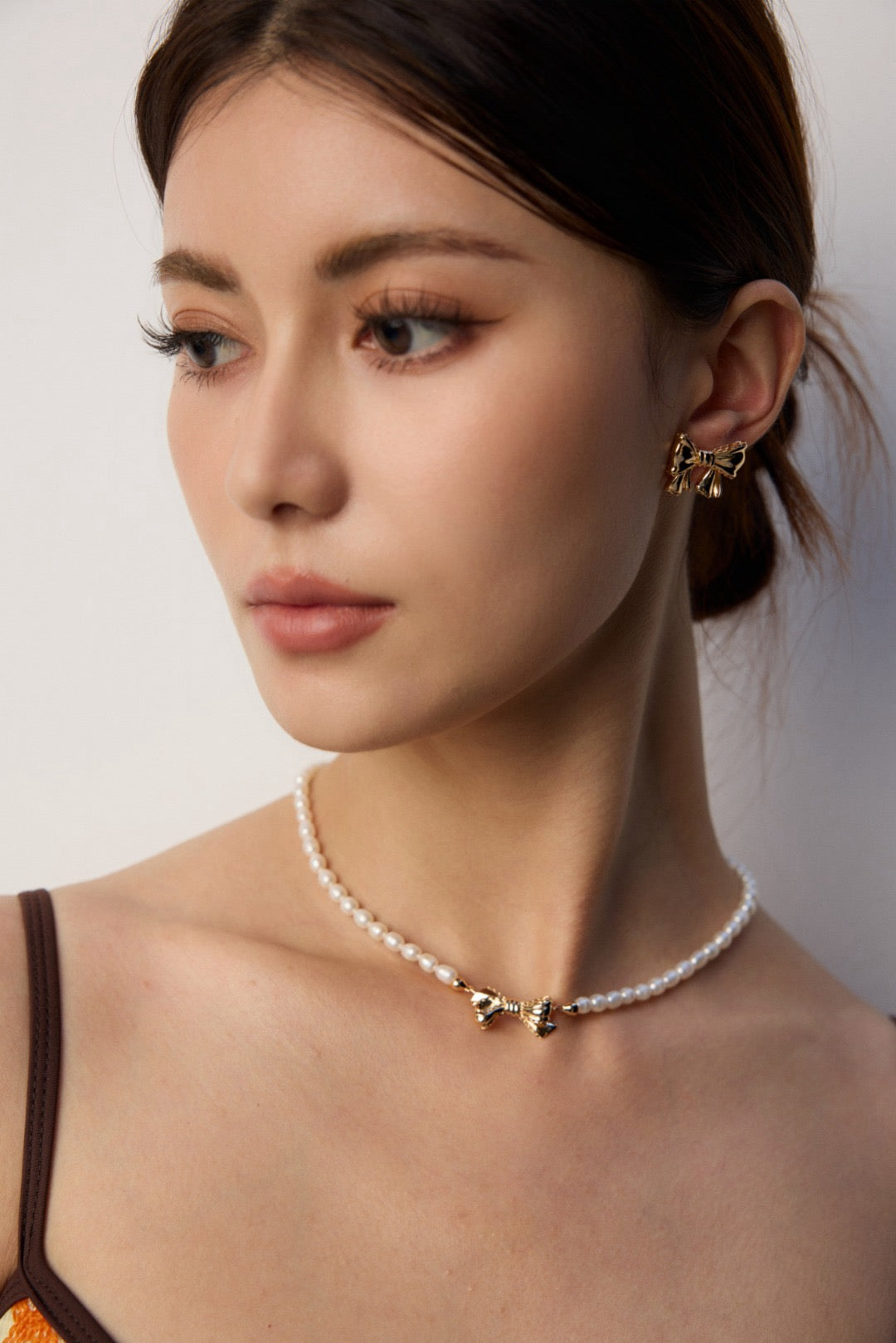
Avoir une peau sensible ne signifie pas toujours renoncer aux bijoux. L'approche la plus utile consiste à comprendre à quoi votre peau réagit, à vérifier chaque partie d'un bijou et à introduire de nouveaux matériaux un à la fois.
Cette page rassemble les huit guides de Lia Atelier sur les peaux sensibles, les allergies aux métaux, les boucles d'oreilles, les étiquettes sans nickel, les normes EU REACH, les éruptions cutanées liées aux bijoux et les soins quotidiens. Commencez par le guide complet, ou allez directement à la question qui correspond à ce que vous vivez.
Commencez ici : Le guide complet pour peaux sensibles
Bijoux pour peaux sensibles : Le guide complet des matériaux, étiquettes et soins sûrs
Commencez ici si vous voulez le cadre complet. Ce guide explique pourquoi la peau réagit, quels matériaux sont des points de départ courants, comment lire les étiquettes de bijoux et ce qu'il faut vérifier avant d'acheter.
Les meilleurs matériaux de bijoux hypoallergéniques pour les personnes souffrant d'allergies aux métaux
Comparez le titane, le platine, le niobium, l'or massif, l'argent sterling et le vermeil, y compris les limites que les acheteurs doivent comprendre avant de se fier à une allégation hypoallergénique.
Comprendre les étiquettes, le nickel et les normes de test
Bijoux sans nickel vs hypoallergéniques : quelle est la vraie différence ?
Découvrez pourquoi ces étiquettes ne sont pas interchangeables, ce que chaque allégation vous dit et ne vous dit pas, et quelle formulation est importante lorsque le nickel est votre déclencheur connu.
Conformité des bijoux au règlement REACH de l’UE
Comprenez les restrictions européennes sur le dégagement de nickel, pourquoi les limites de dégagement sont différentes des simples allégations d'ingrédients, et comment utiliser les normes de test dans votre liste de vérification d'achat.
Choisir des boucles d'oreilles pour oreilles sensibles
Meilleures boucles d'oreilles pour oreilles sensibles : matériaux, styles et conseils d'entretien
Utilisez ce guide lorsque les boucles d'oreilles causent rougeurs, démangeaisons, pression ou inconfort. Il couvre les tiges, les fermoirs, le poids, l'ajustement, le nettoyage et les détails des matériaux à vérifier.
Comprendre et réduire les réactions aux bijoux
Pourquoi les bijoux bon marché irritent votre peau et quoi porter à la place
Découvrez comment les alliages inconnus, le nickel, les finitions rugueuses, le placage usé, l'humidité emprisonnée et les frottements peuvent contribuer à des réactions cutanées inconfortables.
Éruption cutanée due aux bijoux : Est-ce une allergie, une irritation ou une infection ?
Apprenez les différences entre la dermatite de contact allergique, l'irritation et les signes qui peuvent nécessiter une attention médicale. Cessez de porter des bijoux sur une peau activement irritée ou abîmée.
Construisez une routine quotidienne plus confortable
Comment porter des bijoux tous les jours quand on a la peau sensible
Adoptez une approche pratique pour tester un matériau à la fois, garder les bijoux propres et secs, les retirer avant de dormir, de se baigner et de faire de l'exercice, et construire une petite garde-robe de bijoux que votre peau tolère.
Comment utiliser ce guide avant d'acheter
- Commencez par le guide complet pour comprendre les principales catégories de matériaux.
- Lisez les guides sur le nickel et l'étiquetage si vous avez une allergie aux métaux connue.
- Utilisez le guide des oreilles sensibles avant de choisir des boucles d'oreilles.
- Vérifiez chaque page produit pour le métal de base, le placage, les tiges, les fermoirs, les dimensions et les instructions d'entretien.
- Testez une nouvelle pièce à la fois et arrêtez de la porter si une irritation persistante se développe.
Les informations sur les bijoux ne peuvent pas diagnostiquer une affection cutanée. Contactez un dermatologue pour les allergies aux métaux suspectées ou la dermatite persistante, et consultez un médecin si vous ressentez de la douleur, une rougeur qui s'étend, de la chaleur, un gonflement ou un écoulement.
Foire aux questions
Quels sont les meilleurs matériaux de bijoux pour les peaux sensibles ?
Le titane de qualité implantaire, le platine, le niobium et l'or massif à haute teneur sont des options courantes à faible réactivité. Certaines personnes tolèrent également l'argent sterling et le vermeil clairement identifiés. Les réactions individuelles varient, alors vérifiez toujours les détails complets des matériaux.
Les bijoux hypoallergéniques sont-ils les mêmes que les bijoux sans nickel ?
Non. Hypoallergénique est une allégation générale signifiant qu'un produit est destiné à réduire le risque de réaction, tandis que sans nickel fait spécifiquement référence à la teneur en nickel. Aucune des deux étiquettes ne garantit que chaque personne tolérera une pièce.
Pourquoi les boucles d'oreilles irritent-elles les oreilles sensibles ?
Les boucles d'oreilles traversent la peau et créent un contact direct avec les tiges et les fermoirs. Le nickel, les alliages inconnus, les frottements, l'humidité emprisonnée, les designs lourds et les résidus de produits peuvent tous contribuer à l'irritation.
Puis-je porter des bijoux tous les jours si j'ai la peau sensible ?
Beaucoup de gens le peuvent, mais il est plus sûr de tester un matériau clairement décrit à la fois, de garder les bijoux propres et secs, de les retirer avant de dormir, de se baigner et de faire de l'exercice, et d'arrêter de porter toute pièce qui provoque une rougeur, des démangeaisons, un gonflement ou une douleur persistants.