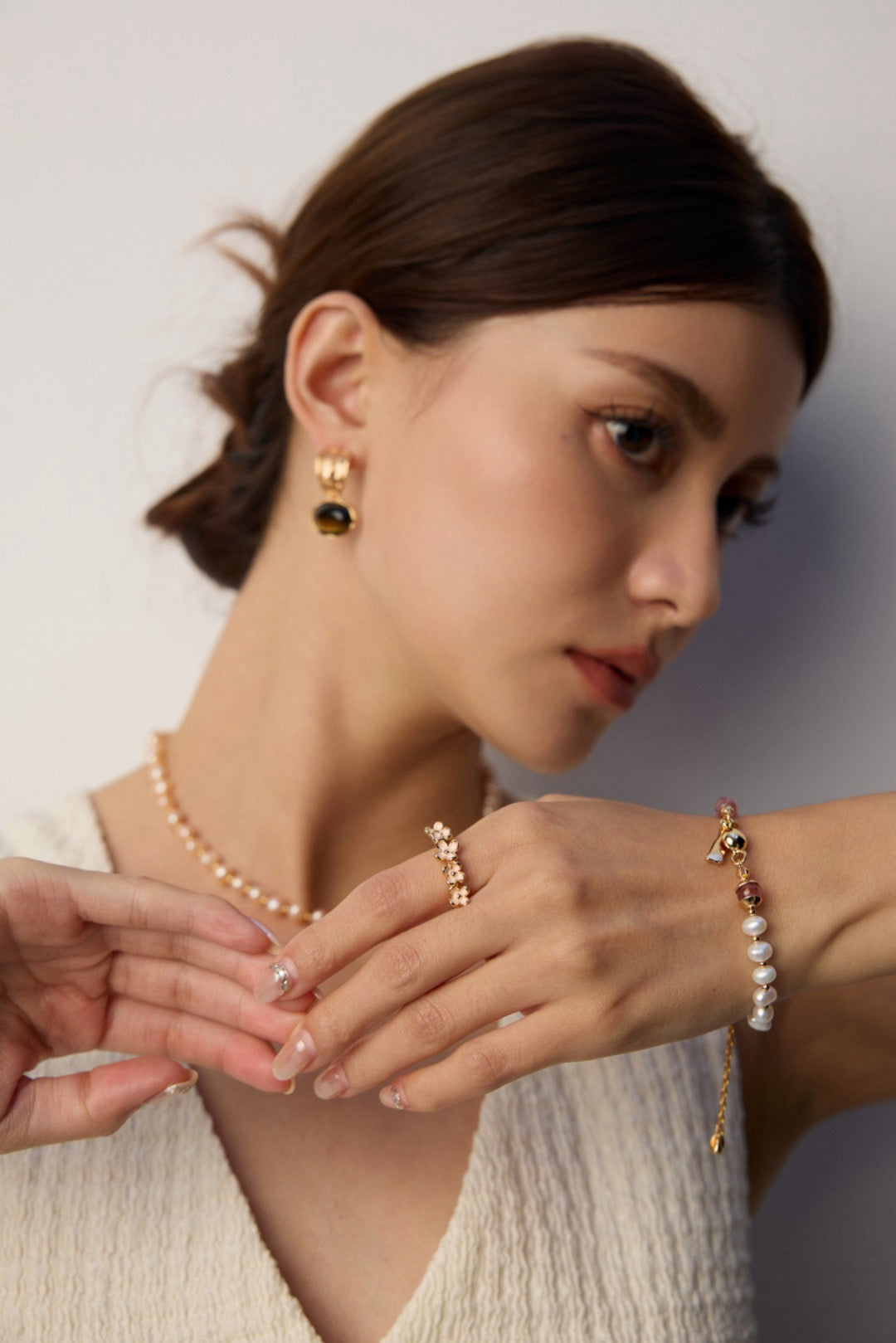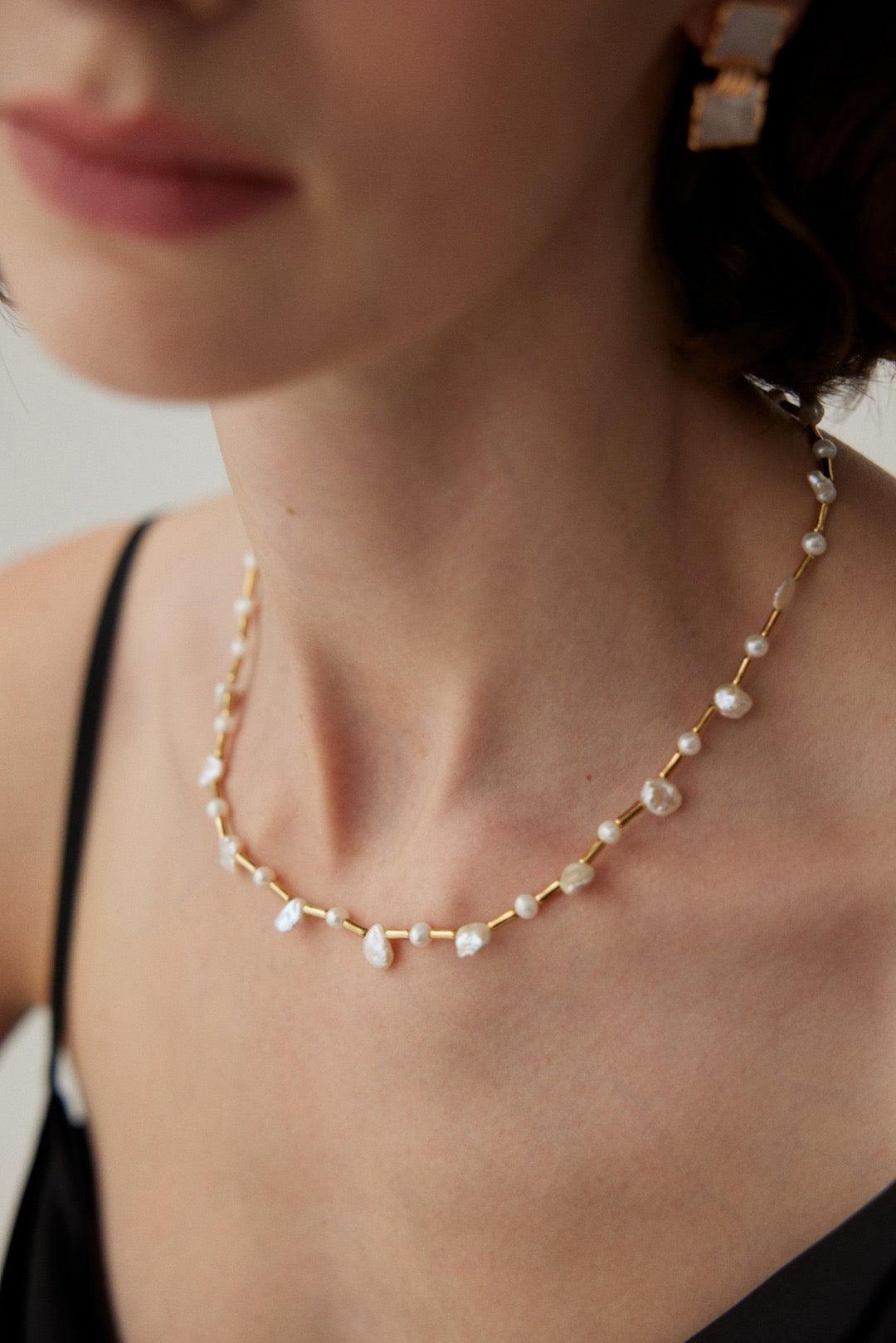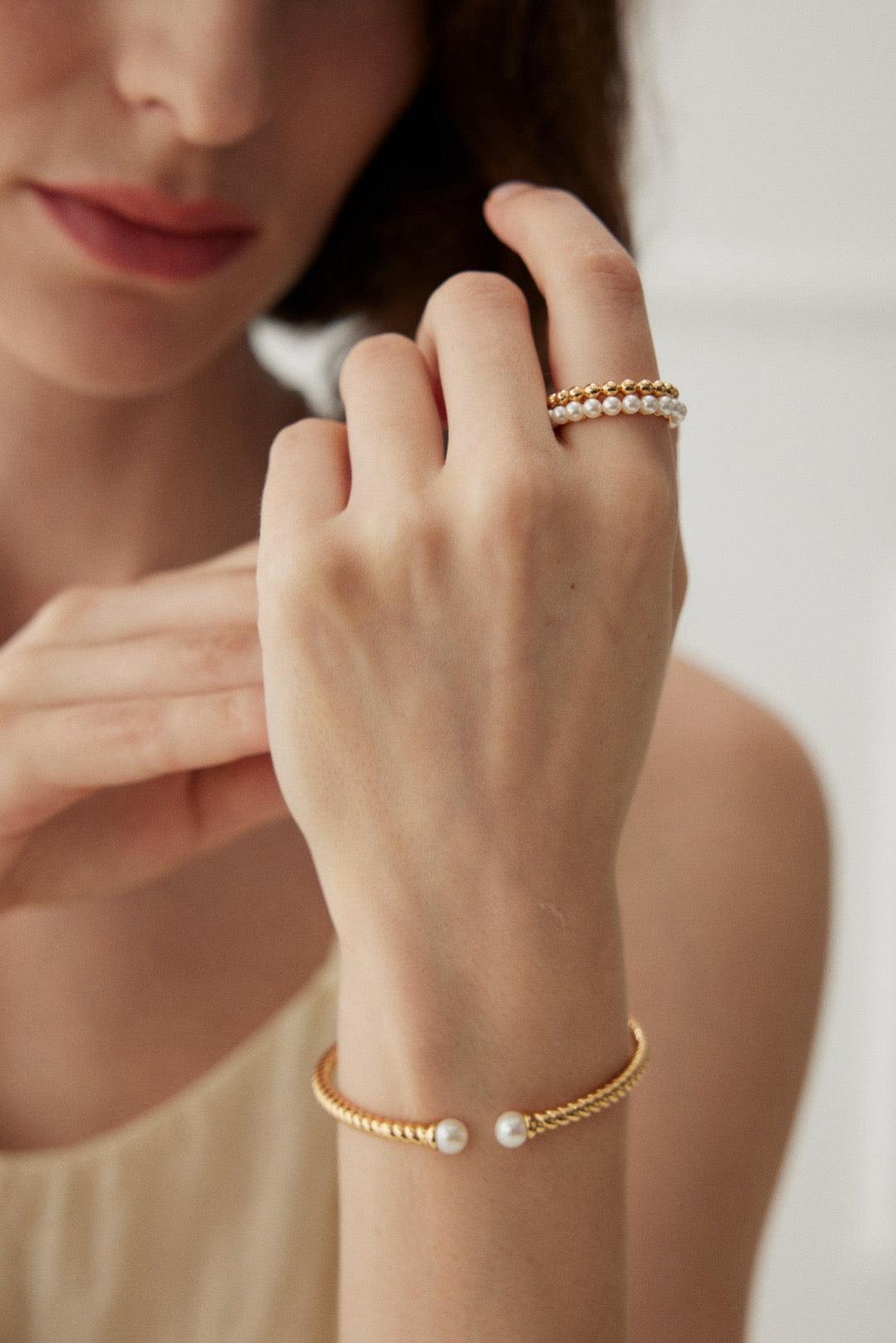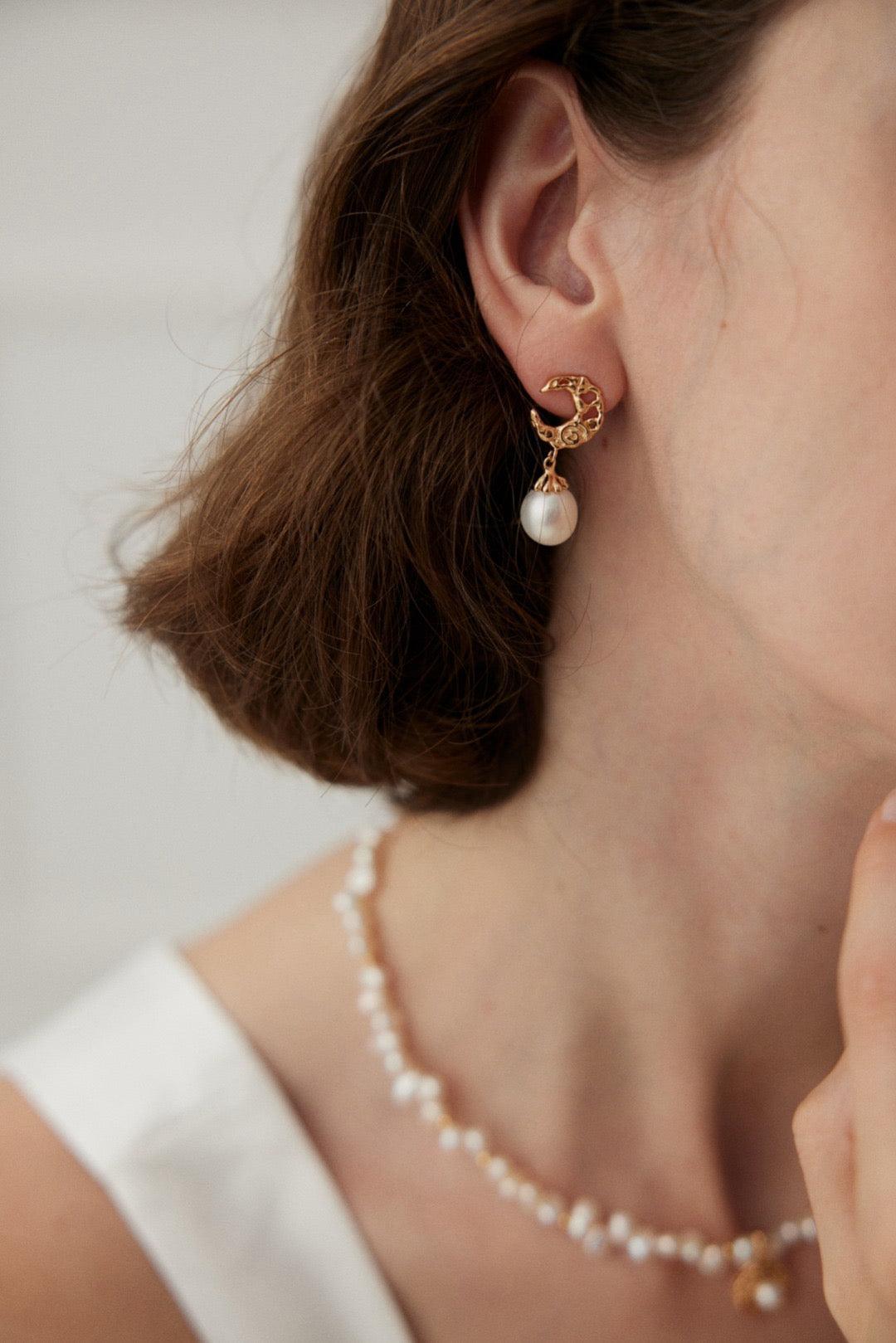
Une seule méthode de nettoyage ne fonctionne pas pour tous les bijoux. Les perles, les pierres précieuses, l'argent sterling et le vermeil d'or réagissent différemment à l'eau, aux frottements, aux produits de polissage et aux conditions de stockage. Utilisez ce guide pour établir une routine quotidienne simple, puis ouvrez l'article spécifique au matériau avant d'effectuer un nettoyage plus en profondeur.
Commencez par le guide essentiel d'entretien des bijoux
Conseils essentiels pour l'entretien des bijoux pour des pièces qui durent plus longtemps
Apprenez les habitudes de base qui protègent les bijoux de l'humidité, des cosmétiques, des chocs, des enchevêtrements, de l'usure de surface et des dommages évitables.
Guides d'entretien par matériau
Guide d'entretien des bijoux en pierres précieuses
Passez en revue les pratiques de nettoyage et de stockage plus sûres pour les bijoux en pierres précieuses, y compris pourquoi la dureté et les traitements des pierres sont importants.
Comment prendre soin des bijoux en perles
Protégez les surfaces délicates des perles du parfum, de la laque, des nettoyants agressifs, de l'abrasion et d'un stockage inadapté.
Comment nettoyer le vermeil d'or à la maison
Suivez une routine de nettoyage douce pour le vermeil et évitez les méthodes abrasives qui peuvent raccourcir la durée de vie de la finition dorée.
Pourquoi le vermeil d'or ternit et comment ralentir ce processus
Comprenez la différence entre l'assombrissement de surface et l'usure du placage, ainsi que les conditions qui peuvent accélérer les deux.
Quelle est la durée de vie du vermeil d'or 18 carats ?
Découvrez comment le frottement, la fréquence d'utilisation, l'épaisseur du placage, l'humidité et le stockage influencent la durée de vie des bijoux en vermeil.
Choisissez et constituez une collection de bijoux plus durable
Comment choisir des bijoux de qualité qui durent
Apprenez quels détails matériels, indices de construction, mesures et informations du vendeur vérifier avant d'acheter.
Comment construire une collection de bijoux qui dure
Créez une collection plus intentionnelle en privilégiant les pièces polyvalentes, les informations précises sur les matériaux et les besoins d'entretien réalistes.
Une routine simple d'entretien quotidien des bijoux
Étape 1 : Vérifiez le matériau
Identifiez le métal, la pierre, la perle, le revêtement et toute finition spéciale avant le nettoyage. Suivez les instructions spécifiques au matériau lorsqu'elles diffèrent des conseils généraux.
Étape 2 : Mettez les bijoux en dernier
Appliquez d'abord le parfum, la laque, l'écran solaire, la lotion et le maquillage. Laissez sécher les produits avant de mettre les bijoux pour réduire les résidus et l'exposition chimique.
Étape 3 : Retirez-les avant les activités à forte exposition
Retirez les bijoux avant de nager, de prendre une douche, de faire de l'exercice intense, de nettoyer la maison ou de dormir lorsque la pièce pourrait être exposée à des produits chimiques, à la sueur, à l'eau ou à des frottements répétés.
Étape 4 : Essuyez après les avoir portés
Utilisez un chiffon propre, doux et non abrasif pour éliminer les huiles de la peau et les légers résidus. Ne polissez pas agressivement les surfaces plaquées ou les perles délicates.
Étape 5 : Rangez les pièces séparément
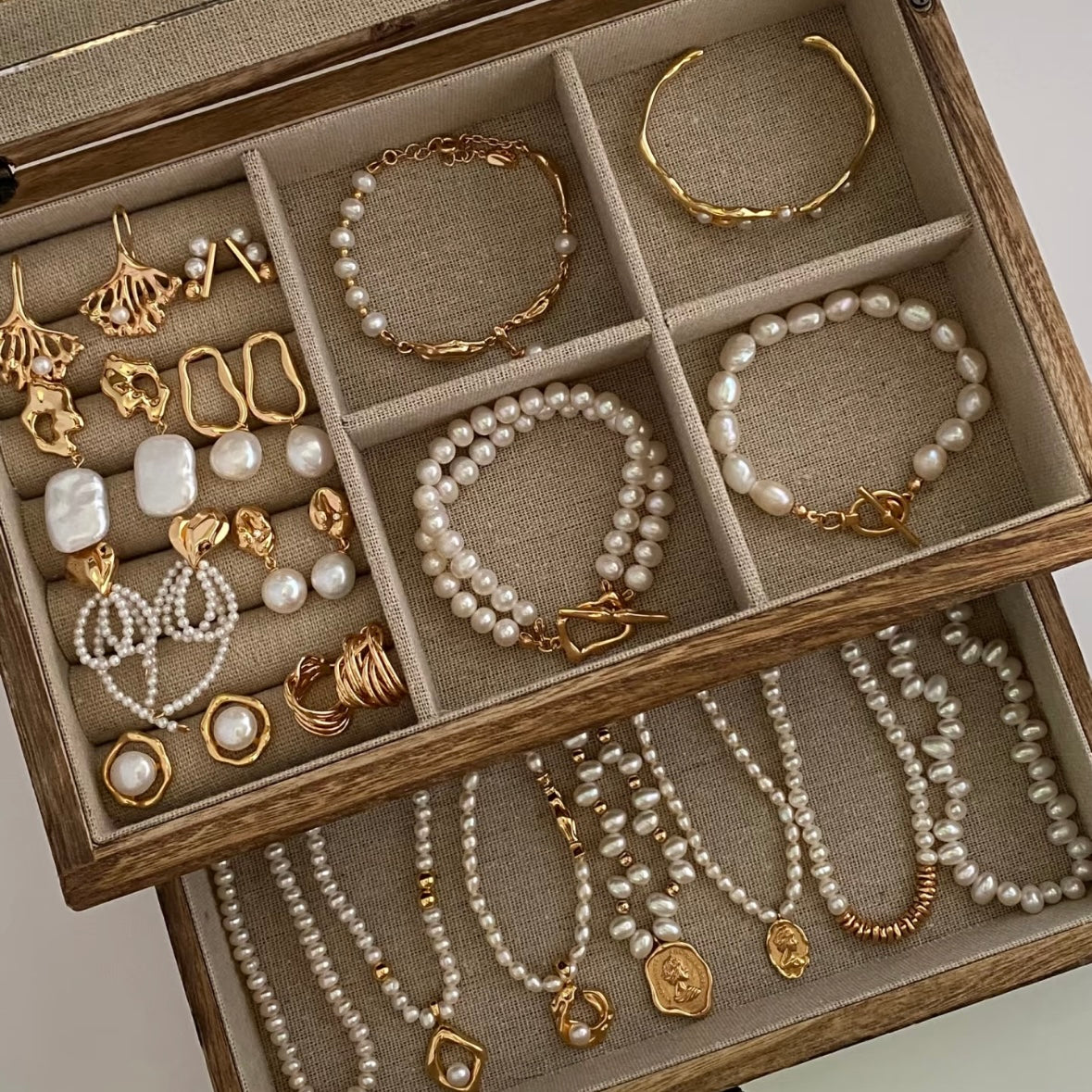
Conservez les bijoux dans des pochettes individuelles ou des compartiments divisés. Fermez les chaînes avant le rangement et séparez les perles ou pierres précieuses plus douces des pièces plus dures qui pourraient les rayer.
Étape 6 : Nettoyez en profondeur uniquement si nécessaire
Utilisez le guide des matériaux pertinent avant d'introduire de l'eau, du savon, une brosse ou un produit de polissage. Si une pièce est endommagée, d'une valeur inhabituelle ou a un traitement inconnu, demandez à un bijoutier qualifié avant de la nettoyer.
FAQ sur l'entretien des bijoux
À quelle fréquence les bijoux doivent-ils être nettoyés ?
Essuyez les pièces fréquemment portées après utilisation et nettoyez en profondeur uniquement lorsque les résidus ou le ternissement l'exigent. La fréquence et la méthode sûres dépendent du matériau, du sertissage, de la finition et de la fréquence à laquelle la pièce est portée.
L'eau peut-elle endommager les bijoux ?
L'exposition à l'eau peut affecter les finitions plaquées, les adhésifs, les matériaux de cordage et certaines pierres précieuses. L'eau chlorée et l'eau salée augmentent encore le risque. À moins que le fabricant ne le confirme, retirez les bijoux avant de nager et une exposition prolongée à l'eau.
Quelle est la meilleure façon de ranger les bijoux ?
Rangez les pièces propres et sèches séparément dans des pochettes ou des compartiments divisés, à l'abri de l'humidité, de la lumière du soleil et de l'humidité de la salle de bain. Attachez les chaînes avant le rangement pour réduire les enchevêtrements.
Que dois-je faire si les bijoux ternissent ?
Identifiez d'abord le matériau et déterminez si vous voyez un ternissement, des résidus ou une usure du placage. Utilisez uniquement une méthode de nettoyage approuvée pour ce matériau. Évitez le polish pour argent sur le vermeil d'or et les nettoyants agressifs sur les perles ou les pierres précieuses délicates.