
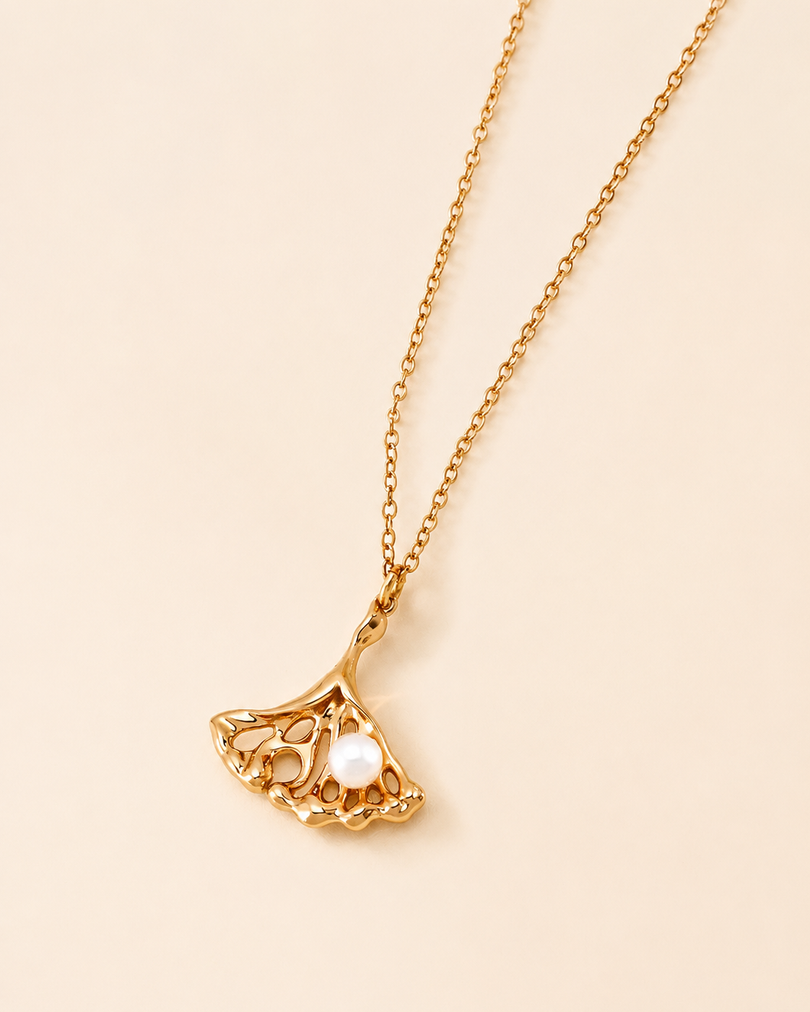
Les bijoux en pierres précieuses peuvent rester beaux pendant des années, mais seulement s'ils sont nettoyés et rangés avec le bon niveau de soin. L'erreur la plus courante est de traiter toutes les pierres de la même manière. Une méthode qui convient à une pierre précieuse peut être trop agressive pour une autre.
Ce guide explique comment nettoyer, ranger et protéger en toute sécurité les bijoux en pierres précieuses, des pièces de tous les jours aux pierres les plus délicates.
L'erreur d'entretien qui endommage les bijoux en pierres précieuses
La plus grande erreur est d'utiliser une seule méthode de nettoyage pour toutes les pierres. L'eau chaude, la vapeur, les nettoyeurs à ultrasons, le dentifrice, l'alcool, l'eau de Javel et les nettoyants ménagers peuvent ternir les finitions, affaiblir les montures ou endommager les pierres plus tendres.
En cas de doute, choisissez la méthode la plus douce : un chiffon doux, un savon doux, de l'eau à température ambiante et un séchage soigneux. Si une pierre est fissurée, lâche, poreuse, collée ou sentimentale, arrêtez-vous et demandez conseil à un bijoutier avant de la nettoyer.
Entretien des pierres précieuses par type de pierre
| Type de pierre | Entretien généralement sûr | À éviter |
|---|---|---|
| Améthyste, grenat, aigue-marine, citrine | Savon doux, eau à température ambiante, chiffon doux, brosse douce si nécessaire | Chaleur, vapeur, produits chimiques agressifs, nettoyage par ultrasons pour les pierres incluses ou endommagées |
| Pierre de lune, labradorite, turquoise | Chiffon doux et humide, très peu d'eau, séchage soigneux | Trempage, nettoyage par ultrasons, vapeur, produits chimiques, brossage rugueux |
| Perles et opales | Chiffon doux après chaque port, rangement délicat, conseils professionnels pour un nettoyage en profondeur | Trempage, rangement hermétique en plastique pour les perles, alcool, parfum, chlore, nettoyants agressifs |
| Tanzanite et pierres délicates | Chiffon doux et nettoyage professionnel si nécessaire | Choc thermique, vapeur, nettoyeurs à ultrasons, impact violent |
Comment nettoyer vos bijoux en pierres précieuses en toute sécurité
Étape 1 : Identifiez la pierre avant le nettoyage
Avant d'utiliser de l'eau ou du savon, confirmez la pierre précieuse que vous nettoyez. Si vous ne savez pas si la pierre est une perle, une opale, une turquoise, une pierre de lune, une tanzanite ou un autre matériau délicat, utilisez uniquement un chiffon doux et sec et demandez conseil à un bijoutier.
Étape 2 : Utilisez d'abord la méthode la plus douce
Commencez par un chiffon non pelucheux. Pour les pierres plus robustes comme l'améthyste, le grenat, l'aigue-marine ou la citrine, utilisez une petite quantité de savon doux avec de l'eau à température ambiante. Évitez l'eau chaude et les nettoyants abrasifs.
Étape 3 : Nettoyez délicatement et séchez complètement
Si le brossage est sûr pour la pierre, utilisez une brosse très douce avec une légère pression. Rincez brièvement, puis séchez complètement la pièce avec un chiffon doux. Ne laissez pas les bijoux en pierres précieuses humides ou tremper.
Étape 4 : Inspectez la monture avant de la porter à nouveau
Après le nettoyage, vérifiez si la pierre bouge, cliquette ou s'accroche au tissu. Si la monture semble lâche, cessez de porter la pièce jusqu'à ce qu'elle puisse être réparée.
Une routine simple d'entretien des bijoux en pierres précieuses
Après avoir porté
- Essuyez la pièce avec un chiffon doux pour enlever l'huile de la peau, la sueur et les résidus de produits.
- Laissez sécher le bijou avant de le ranger.
- Vérifiez les fermoirs, les griffes et les anneaux ouverts pour tout mouvement ou pliage.
Hebdomadaire ou au besoin
- Nettoyez délicatement les pierres plus robustes avec un savon doux et de l'eau à température ambiante.
- Utilisez uniquement un chiffon humide pour les pierres délicates, poreuses ou inconnues.
- Évitez le nettoyage par ultrasons et à la vapeur, sauf si un bijoutier confirme que la pierre et la monture sont sûres pour cela.
Mensuel
- Vérifiez que les pierres sont bien fixées.
- Rafraîchissez les pochettes et les compartiments de rangement.
- Mettez de côté toute pièce qui semble trouble, fissurée, pliée ou lâche.
Comment ranger les bijoux en pierres précieuses
Un bon rangement prévient les rayures, les enchevêtrements, les dommages causés par l'humidité et l'usure inutile. Rangez les bijoux en pierres précieuses séparément, en particulier les pièces avec des perles, des pierres plus tendres, de l'émail ou des montures délicates.
- Utilisez des pochettes individuelles en tissu ou des compartiments divisés.
- Gardez les bijoux loin des fenêtres, des salles de bain, des bouches de chaleur et de la lumière directe du soleil.
- Rangez les perles dans une pochette douce plutôt que dans un plastique scellé.
- Gardez les chaînes fermées pour réduire les enchevêtrements.
- Utilisez des languettes anti-ternissement pour les pièces en argent sterling, mais ne laissez pas les languettes frotter directement contre les pierres délicates.
Quand arrêter le nettoyage fait maison
Le nettoyage fait maison est utile pour l'entretien courant, mais ce n'est pas une méthode de réparation. Arrêtez de nettoyer et consultez un bijoutier si vous remarquez l'un des problèmes suivants :
- Une pierre bouge, cliquette ou semble lâche.
- La monture s'accroche aux vêtements.
- La pierre précieuse présente des fissures ou des éclats visibles.
- La pièce semble trouble après un nettoyage délicat.
- Les griffes, les fermoirs ou les anneaux ouverts semblent pliés.
- La pièce est ancienne, très sentimentale ou difficile à remplacer.
Conseils de voyage pour les bijoux en pierres précieuses
Les voyages exposent les bijoux aux chocs, aux changements d'humidité, à la chaleur, à la crème solaire, au parfum et au rangement dans les salles de bain d'hôtel. Emballez soigneusement et gardez vos pièces les plus délicates hors des bagages enregistrés.
- Utilisez une trousse de voyage rembourrée pour bijoux.
- Emballez chaque pièce séparément pour éviter les rayures.
- Retirez les bijoux avant de nager, de vous doucher ou d'utiliser un jacuzzi.
- Gardez les bijoux en pierres précieuses loin de la crème solaire, des parfums et des produits capillaires.
- Portez les pièces de valeur ou sentimentales pendant le transport plutôt que de les ranger lâchement.
Bijoux en pierres précieuses Lia Atelier à entretenir
Si vous aimez les bijoux en pierres précieuses, choisissez des pièces qui correspondent à vos habitudes d'entretien réelles. Un bracelet ou un pendentif porté souvent doit être facile à essuyer, à ranger et à retirer avant l'eau ou l'exercice.

Bracelet en pierres précieuses Aurora
Consultez les détails des pierres et des matériaux avant de nettoyer ou de ranger ce bijou.

Collier pendentif améthyste
Consultez les détails des pierres et des matériaux avant de nettoyer ou de ranger ce bijou.

Collier perle Constellation en pierres précieuses
Consultez les détails des pierres et des matériaux avant de nettoyer ou de ranger ce bijou.

Bracelet en pierres précieuses Luna Terra
Consultez les détails des pierres et des matériaux avant de nettoyer ou de ranger ce bijou.
Guides d'entretien des bijoux connexes
Foire aux questions
Puis-je utiliser du dentifrice pour nettoyer les bijoux en pierres précieuses ?
Non. Le dentifrice est abrasif et peut rayer les pierres précieuses, les finitions métalliques et les montures. Utilisez un chiffon doux et un savon doux uniquement lorsque le type de pierre peut le supporter en toute sécurité.
Le nettoyage par ultrasons est-il sûr pour les pierres précieuses ?
Pas toujours. Le nettoyage par ultrasons peut être risqué pour les perles, les opales, les émeraudes, la tanzanite, la turquoise, les pierres incluses, les montures collées ou les bijoux endommagés. Demandez conseil à un bijoutier avant de l'utiliser.
Puis-je me doucher ou nager avec des bijoux en pierres précieuses ?
Il est préférable de retirer les bijoux en pierres précieuses avant de se doucher, de nager ou d'utiliser un jacuzzi. Le chlore, l'eau salée, le savon, la chaleur et l'humidité répétée peuvent endommager les pierres, les métaux et les montures.
À quelle fréquence dois-je nettoyer les bijoux en pierres précieuses ?
Essuyez les bijoux en pierres précieuses après les avoir portés. N'effectuez un nettoyage plus en profondeur et délicat que lorsque des résidus sont visibles et que le type de pierre supporte l'eau. Les pièces délicates ou précieuses doivent être inspectées professionnellement si nécessaire.
Que dois-je faire si une pierre précieuse semble trouble après le nettoyage ?
Cessez toute tentative de nettoyage. La turbidité peut provenir de résidus, d'humidité, de dommages superficiels ou d'un problème de traitement. Laissez la pièce sécher complètement et apportez-la à un bijoutier si la turbidité persiste.
Sources de référence
Les sources indépendantes suivantes étayent les définitions des matériaux, les méthodes d’identification et les conseils d’entretien présentés dans cet article.