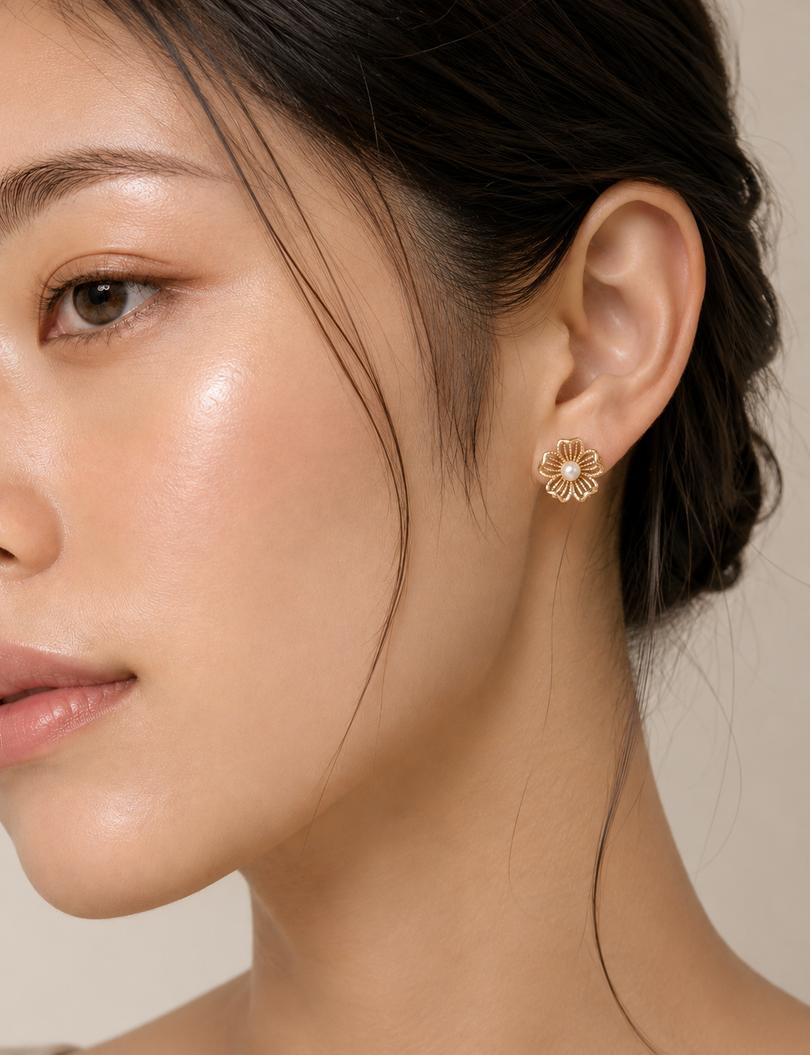
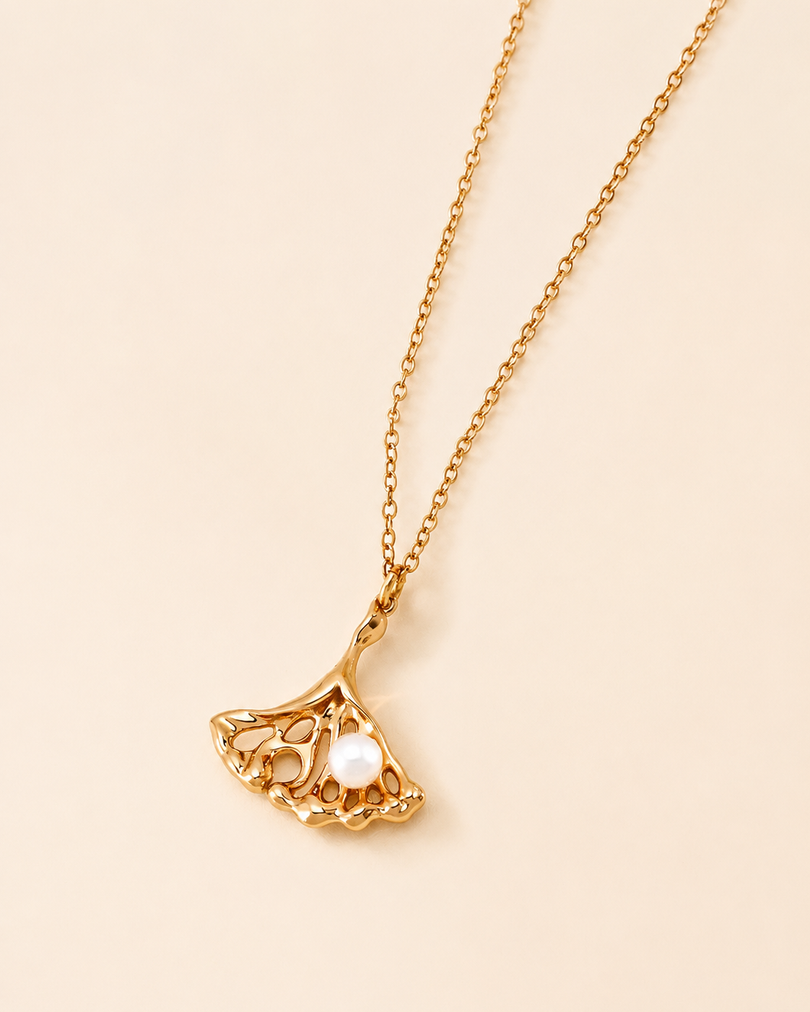
Découvrez comment les perles d'eau douce sont formées, classées, dimensionnées, stylisées et entretenues, ainsi que ce qu'il faut vérifier avant d'acheter des bijoux en perles.

Que sont les perles d'eau douce ?
Les perles d'eau douce sont de véritables perles de culture cultivées à l'intérieur de moules d'eau douce. Étant donné qu'une moule peut produire plusieurs perles et que les perles d'eau douce sont principalement composées de nacre, elles offrent une large gamme de formes, de couleurs et de prix. Leur variété les rend particulièrement utiles pour les bijoux classiques et modernes.
Comment la qualité des perles d'eau douce est-elle jugée ?
| Facteur | Ce qu'il faut rechercher |
|---|---|
| Lustre | Reflets brillants et profondeur visible |
| Surface | Peu d'imperfections gênantes |
| Forme | Ronde, ovale, bouton ou baroque intentionnelle |
| Couleur | Couleur uniforme avec un bel orient |
| Appariement | Aspect équilibré dans les paires et les colliers |
| Construction | Montures, nœuds, fermoirs et apprêts sécurisés |
Que signifie la classification AAA pour les perles ?
AAA est couramment utilisé pour décrire les perles de qualité supérieure, mais la classification des perles n'est pas régie par une norme mondiale universelle. Demandez au vendeur ce que sa classification mesure et examinez attentivement le lustre, la surface, la forme et l'appariement. Une classification n'est utile que si la marque explique comment elle l'applique.
Perles d'eau douce ou perles Akoya
Les perles d'eau douce sont réputées pour leur variété, leur nacre épaisse et leur prix abordable. Les perles Akoya sont généralement associées à des formes rondes, un lustre plus vif et un aspect de collier blanc classique. Aucune n'est automatiquement meilleure. Le bon choix dépend du look, du budget et du type de bijoux que vous souhaitez.
Perles rondes ou baroques ?
Les perles rondes créent un effet symétrique et traditionnel. Les perles baroques célèbrent la forme organique et rendent chaque pièce unique. Si vous voulez une première paire de boucles d'oreilles en perles, les perles rondes sont faciles à assortir. Si vous voulez un pendentif ou une boucle d'oreille fantaisie avec du caractère, les perles baroques sont souvent plus expressives.
Comment prendre soin des perles d'eau douce
Les perles sont plus douces que de nombreuses pierres précieuses. Mettez-les après le parfum et les produits cosmétiques, essuyez-les délicatement après les avoir portées et rangez-les à l'écart des bijoux plus durs. Évitez les nettoyeurs à ultrasons, les produits chimiques agressifs et une exposition prolongée à l'eau. Avec des soins attentifs, les bijoux en perles d'eau douce peuvent rester beaux pendant des générations.
Guides de bijoux associés
Questions fréquemment posées
Les perles d'eau douce sont-elles de vraies perles ?
Oui. Les perles d'eau douce sont de véritables perles de culture cultivées dans des moules d'eau douce. Ce ne sont pas des perles d'imitation.
Les perles d'eau douce sont-elles de bonne qualité ?
Les perles d'eau douce peuvent être d'excellente qualité. Jugez chaque pièce en fonction du lustre, de la qualité de la surface, de la forme, de l'appariement et de la construction plutôt que du seul type de perle.
Combien de temps durent les perles d'eau douce ?
Les perles d'eau douce bien entretenues peuvent durer des générations. Éloignez-les des produits chimiques agressifs, essuyez-les après les avoir portées et rangez-les séparément des bijoux plus durs.
Comment les perles d'eau douce se comparent-elles aux perles Akoya ?
Les perles d'eau douce offrent plus de formes et des prix abordables, tandis que les perles Akoya sont connues pour leurs formes très rondes et leur lustre miroir éclatant.