Un guide pratique pour choisir des bijoux pour peaux sensibles, comprendre les étiquettes des matériaux, réduire les irritations et constituer une collection que vous pouvez porter confortablement.

Pourquoi les peaux sensibles réagissent aux bijoux
Les réactions aux bijoux peuvent provenir d'une dermatite de contact allergique, de frottements, d'humidité piégée, de résidus de produits ou d'un piercing irrité. Une véritable allergie au métal est une réponse immunitaire, tandis qu'une irritation peut s'améliorer lorsque la peau est sèche, que l'ajustement est corrigé ou que le bijou est nettoyé. Connaître la différence vous aide à faire de meilleurs choix.
Choisissez les matériaux avant les styles
Commencez par identifier la composition complète du matériau, puis choisissez le design. Le titane de qualité implantaire, le platine, le niobium, l'or à haute teneur, l'argent sterling sans nickel et le vermeil d'or sont des points de départ courants. Évitez les descriptions vagues telles que "ton or", "métal mélangé" ou "alliage" lorsque vous avez besoin d'une compatibilité cutanée prévisible.
Comment lire les étiquettes de bijoux
| Étiquette | Ce qu'elle vous dit | Ce qu'elle ne garantit pas |
|---|---|---|
| Hypoallergénique | Conçu pour réduire les risques de réaction | Zéro allergène ou zéro nickel |
| Sans nickel | Censé ne pas contenir de nickel | Convient à toutes les allergies |
| Argent sterling 925 | 92,5 % d'argent | Composition de chaque apprêt |
| Vermeil d'or | Or sur argent sterling | Que tous les composants correspondent |
Créez une petite garde-robe de bijoux fiable
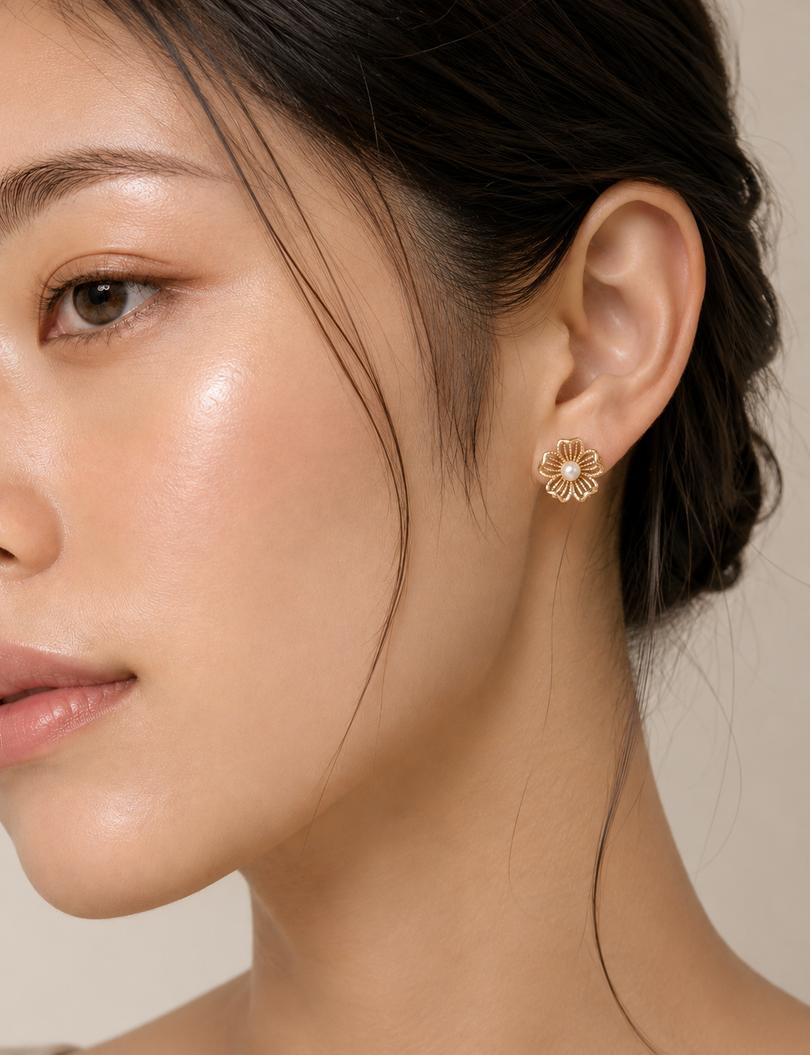
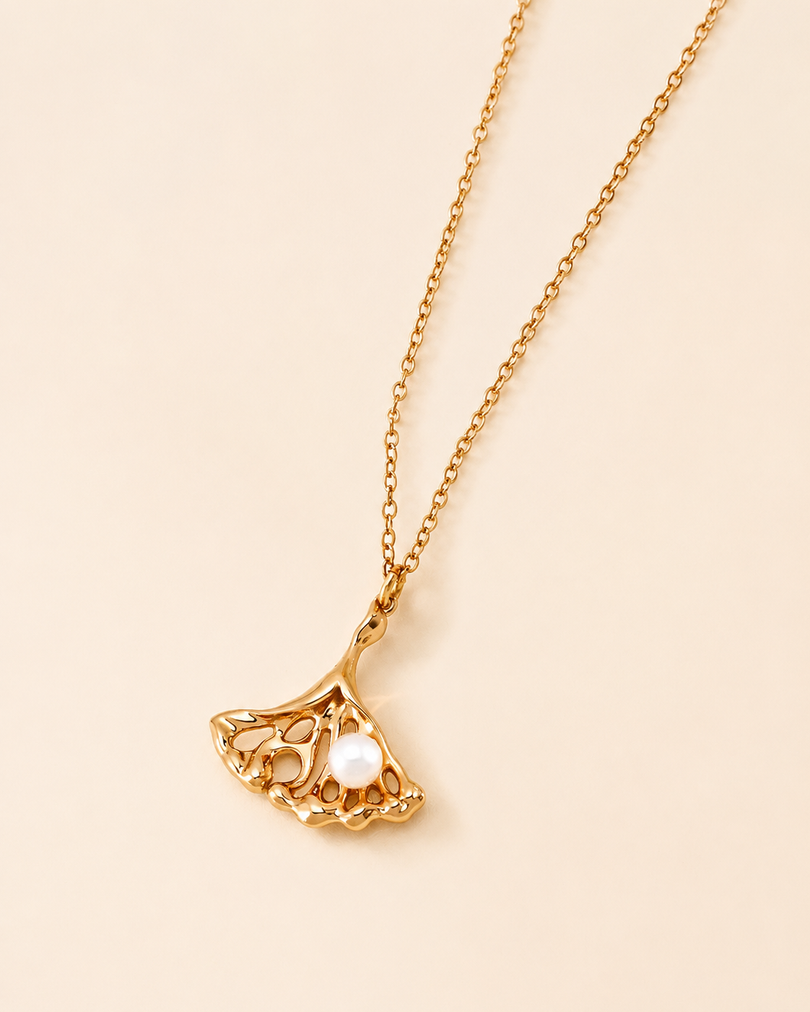
Commencez par une paire de boucles d'oreilles et un collier de tous les jours dans un matériau que vous tolérez déjà. Portez chaque nouvelle pièce séparément avant d'en ajouter d'autres. Cela facilite l'identification d'un problème et vous évite d'abandonner une collection entière parce qu'un fermoir, une attache ou un alliage a causé une irritation.
Habitudes quotidiennes qui réduisent l'irritation
Appliquez les bijoux uniquement après que les soins de la peau, la crème solaire et le parfum ont séché. Retirez les bagues et les bracelets avant de vous laver, de faire de l'exercice ou de vous exposer longuement à l'eau. Essuyez les bijoux après les avoir portés et laissez le temps à la peau irritée de récupérer. Des bijoux propres ne peuvent pas éliminer une allergie, mais ils peuvent réduire les irritations liées aux résidus et à l'humidité.
Quand arrêter de porter un bijou
Retirez les bijoux si vous développez des démangeaisons persistantes, des rougeurs, un gonflement, des cloques, des douleurs ou des écoulements. Ne replacez pas le même bijou sur une peau abîmée. Un dermatologue peut effectuer des tests épicutanés pour les allergies aux métaux suspectées, tandis que les piercings douloureux ou infectés doivent être évalués par un professionnel de la santé.
Guides de bijoux associés
Questions fréquemment posées
Quels sont les meilleurs bijoux pour les peaux très sensibles ?
Le titane de qualité implantaire, le platine et le niobium sont d'excellents points de départ. Les personnes qui tolèrent l'argent sterling peuvent également porter du vermeil d'or soigneusement sourcé sur une base d'argent sans nickel.
Pourquoi les boucles d'oreilles irritent-elles mes oreilles mais pas les colliers ?
Les tiges des boucles d'oreilles traversent la peau et créent une exposition plus directe. La tige, l'attache, le frottement et l'état du piercing peuvent tous contribuer à l'irritation.
Une allergie aux bijoux peut-elle apparaître soudainement ?
Oui. La sensibilité aux métaux peut se développer après une exposition répétée, et la peau peut également devenir temporairement plus réactive en raison de la chaleur, de la transpiration, de la maladie ou de l'irritation.
Que dois-je vérifier avant d'acheter des bijoux hypoallergéniques ?
Vérifiez le métal de base, l'épaisseur du placage, les tiges, les fermoirs, les apprêts, les allégations sans nickel et toute norme de test plutôt que de vous fier uniquement au mot "hypoallergénique".