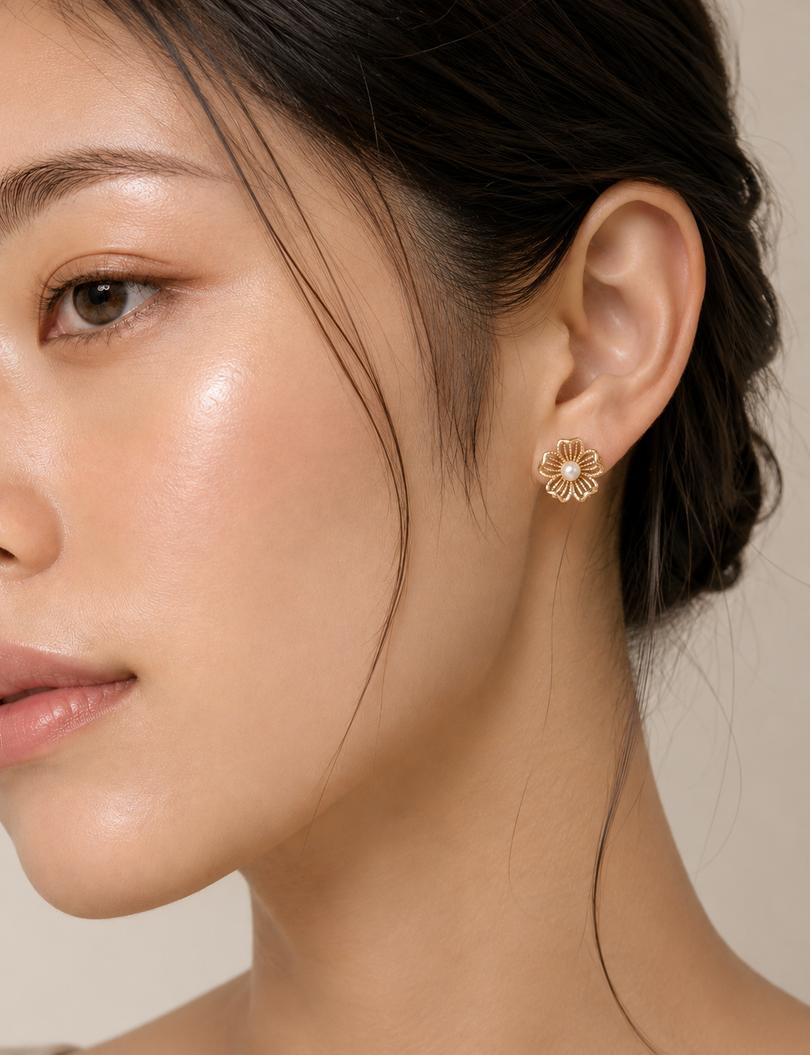
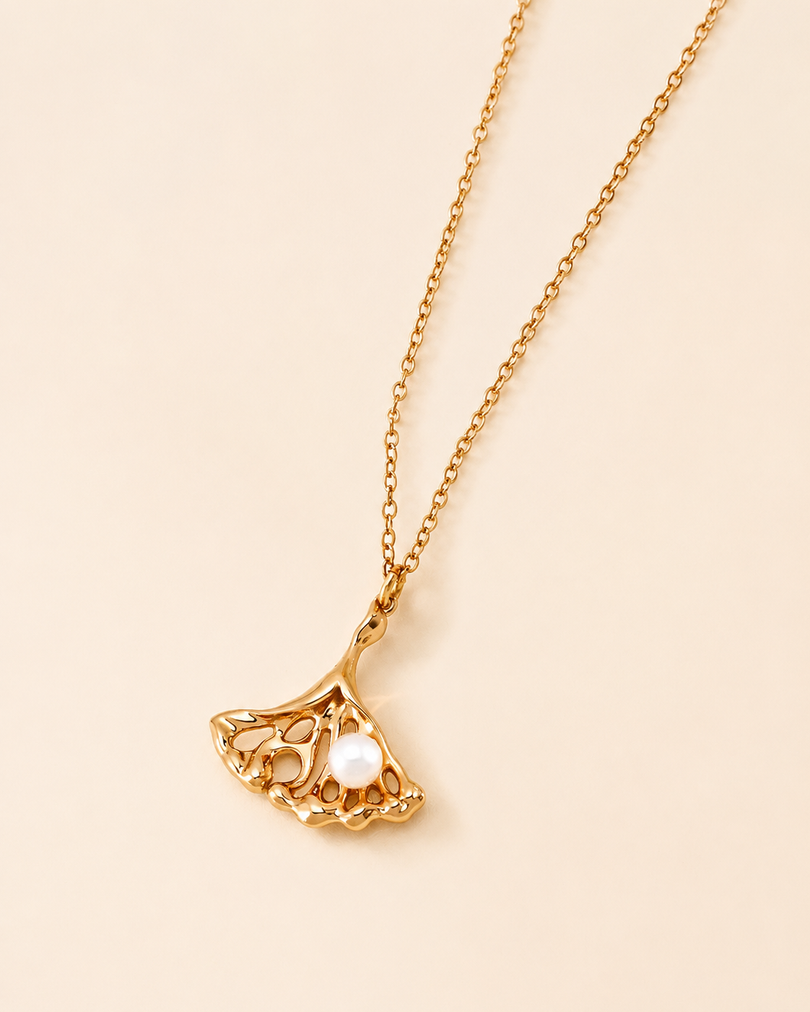
Ces deux expressions sont utilisées de manière interchangeable sur les pages produits, mais elles signifient des choses très différentes. Connaître la différence pourrait vous éviter d'acheter des bijoux qui provoquent toujours une réaction ou de laisser passer quelque chose qui aurait parfaitement fonctionné.

La version courte
« Sans nickel » est une allégation spécifique sur les matériaux. « Hypoallergénique » est un terme plus large et moins réglementé. Un bijou peut être hypoallergénique sans être sans nickel, et vice versa.
Ce que signifie réellement « sans nickel »
Sans nickel signifie que la pièce ne contient pas de nickel détectable, ou du nickel en dessous du seuil qui déclencherait une réaction. C'est une affirmation plus étroite et plus spécifique. Si le nickel est votre déclencheur, c'est l'étiquette que vous voulez rechercher.
Dans l'UE, la réglementation REACH fixe des limites exécutoires : les bijoux vendus en Europe doivent libérer moins de 0,5 microgramme de nickel par centimètre carré par semaine. Les bijoux de piercing ont une limite encore plus stricte de 0,2. Ce ne sont pas des suggestions ; ce sont des exigences légales étayées par des tests.
Aux États-Unis, il n'existe pas de norme fédérale équivalente. Une marque peut qualifier quelque chose de sans nickel sur la base de ses propres tests, qui peuvent ou non être rigoureux. C'est pourquoi l'approvisionnement conforme à l'UE est important même si vous n'êtes pas en Europe.
Ce que signifie réellement « hypoallergénique »
Hypoallergénique signifie « moins susceptible de provoquer une réaction allergique ». Cela ne signifie pas antiallergique. Cela ne signifie pas sans nickel. Contrairement aux aliments ou aux cosmétiques, aucun organisme de réglementation ne réglemente l'utilisation de ce terme sur les bijoux dans la plupart des pays.
Une marque peut qualifier une pièce d'hypoallergénique en se basant sur les commentaires des clients, les normes internes ou simplement son jugement marketing. Le mot seul ne vous dit presque rien sans savoir de quoi la pièce est réellement faite.
Cela dit, le terme n'est pas sans signification. La plupart des marques de bijoux réputées l'utilisent pour indiquer des matériaux qui présentent un faible risque d'allergie pour la plupart des gens – généralement l'argent sterling, l'or, le titane ou le platine. Le problème est que « la plupart des gens » n'inclut pas ceux qui ont des sensibilités sévères ou multiples.
Pourquoi les deux allégations peuvent encore provoquer des réactions
Le nickel est l'allergène de bijouterie le plus courant, mais ce n'est pas le seul. Certaines personnes réagissent au cuivre, au cobalt ou à certains alliages qui n'ont rien à voir avec le nickel. Une pièce véritablement sans nickel peut toujours provoquer une réaction chez une personne sensible au cuivre. Une pièce étiquetée hypoallergénique peut contenir des traces de nickel en dessous des seuils typiques, mais suffisamment pour une personne ayant une sensibilité accrue.
C'est pourquoi « J'ai déjà essayé l'hypoallergénique, et cela m'a quand même dérangé » est une expérience si courante. L'étiquette ne mentait pas – elle n'était tout simplement pas assez spécifique pour s'appliquer à votre situation particulière.
Ce qu'il faut vraiment rechercher
Ignorez les étiquettes et passez directement aux informations sur les matériaux. Les questions qui comptent :
- Quel est le métal de base ? (Argent sterling, titane, laiton, alliage de zinc, inconnu ?)
- S'il est plaqué, qu'y a-t-il dessous ? Un revêtement sans nickel sur une base de nickel n'est d'aucune utilité une fois que le revêtement s'est usé.
- La marque spécifie-t-elle la teneur en nickel avec un nombre, ou dit-elle simplement « sans nickel » ?
- La pièce est-elle conforme à la réglementation REACH de l'UE ? C'est la norme tierce la plus claire disponible.
Comment Lia Atelier aborde ce problème
Chaque pièce est construite sur de l'argent sterling 925 – 92,5 % d'argent pur avec du cuivre comme alliage, sans nickel. La couche de vermeil en or 18 carats ajoute une barrière protectrice sur l'argent. La teneur en nickel est inférieure à 0,05 %, ce qui est bien dans les normes REACH de l'UE.
Le vermeil est 5 fois plus épais que l'exigence légale minimale pour le vermeil en or. C'est important pour les peaux sensibles : à mesure que la pièce vieillit, elle expose l'argent sterling en dessous plutôt que n'importe quel métal de base, de sorte que les propriétés hypoallergéniques sont maintenues tout au long de la vie de la pièce.
Cet article fait partie de notre Guide complet des bijoux pour peaux sensibles.
Foire aux questions
L'acier chirurgical est-il hypoallergénique ou sans nickel ?
Ni l'un ni l'autre, techniquement. L'acier inoxydable chirurgical contient 8 à 12 % de nickel. Le nickel est lié dans la structure de l'alliage, ce qui réduit la quantité qui s'échappe pendant le port, mais ce n'est pas zéro. Beaucoup de personnes ayant des sensibilités légères s'en accommodent bien. Les personnes ayant des allergies confirmées au nickel ne le font souvent pas.
Quelque chose peut-il être hypoallergénique mais pas sans nickel ?
Oui. Certains métaux sont hypoallergéniques pour la plupart des gens mais contiennent toujours des traces de nickel en dessous du niveau auquel la plupart des acheteurs réagissent. L'argent sterling en est un bon exemple – il est largement considéré comme hypoallergénique mais contient techniquement un petit pourcentage d'alliage de cuivre et, dans les versions de qualité inférieure, parfois des traces de nickel. L'argent sterling 925 de haute qualité est à la fois sans nickel et hypoallergénique.
Quel est le métal le plus sûr si j'ai plusieurs sensibilités aux métaux ?
Le titane de qualité implantable. Il ne contient ni nickel ni alliages problématiques, il est biocompatible et c'est le même matériau utilisé dans les implants chirurgicaux. L'inconvénient est qu'il y a moins de modèles de bijoux fins en titane à des prix accessibles. Pour les bijoux fins de tous les jours, l'argent sterling 925 certifié avec vermeil en or 18 carats est la meilleure option pour la plupart des gens.
La norme REACH de l'UE s'applique-t-elle si je fais mes achats en dehors de l'Europe ?
Pas légalement, mais pratiquement oui — si une marque s'approvisionne en matériaux et fabrique selon les normes REACH de l'UE, cela signifie que sa chaîne d'approvisionnement a été testée par rapport à une véritable référence externe. C'est le signal de qualité indépendant le plus clair disponible pour les matériaux de bijouterie à l'échelle mondiale. Voir : Ce que la certification EU REACH signifie pour vos bijoux