A practical guide to choosing jewelry for sensitive skin, understanding material labels, reducing irritation, and building a collection you can wear comfortably.

Why Sensitive Skin Reacts to Jewelry
Jewelry reactions can come from allergic contact dermatitis, friction, trapped moisture, product residue, or an irritated piercing. The American Academy of Dermatology distinguishes allergic contact dermatitis from irritation caused by direct skin damage. Because they can look similar, persistent or severe reactions should be assessed by a qualified healthcare professional.
Choose Materials Before Styles
Start by identifying the full material composition, then choose the design. Implant-grade titanium, platinum, niobium, high-karat gold, nickel-conscious sterling silver, and gold vermeil are common starting points. Avoid vague descriptions such as gold tone, mixed metal, or alloy when you need predictable skin compatibility.
How to Read Jewelry Labels
| Label | What It Tells You | What It Does Not Guarantee |
|---|---|---|
| Hypoallergenic | Designed to reduce reaction risk | Zero allergens or zero nickel |
| Nickel free | Intended not to contain nickel | Suitability for every allergy |
| 925 sterling silver | 92.5% silver | Composition of every finding |
| Gold vermeil | Gold over sterling silver | That all components match |
Build a Small Reliable Jewelry Wardrobe
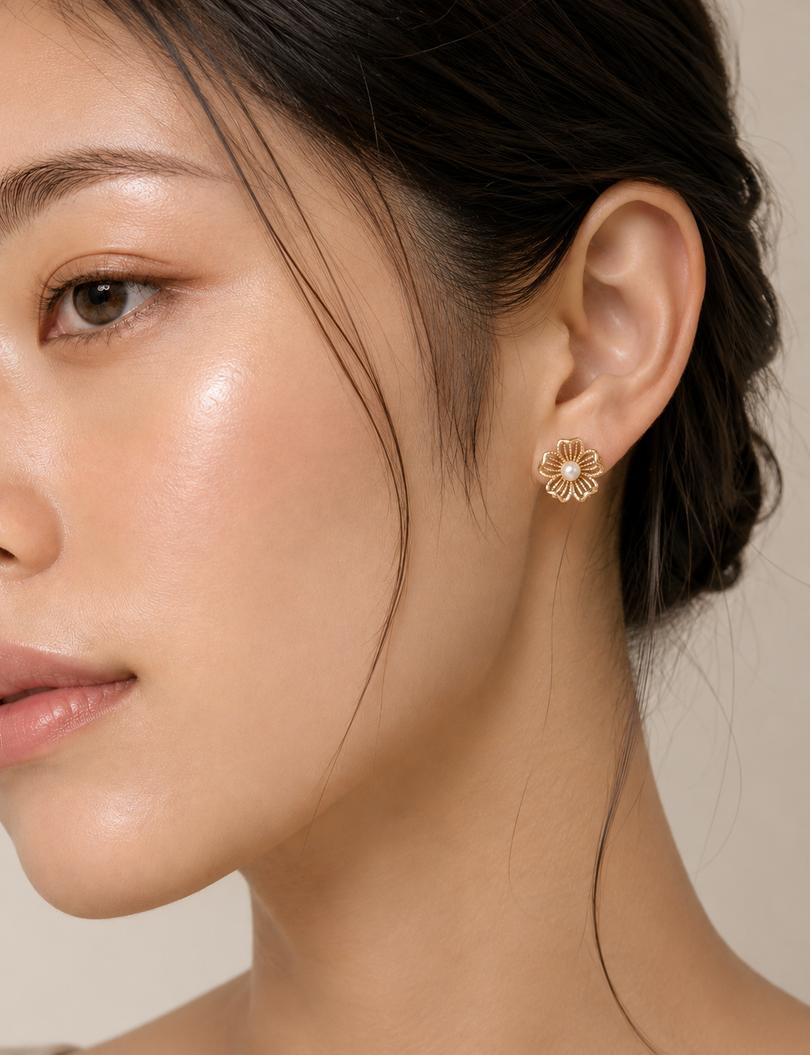
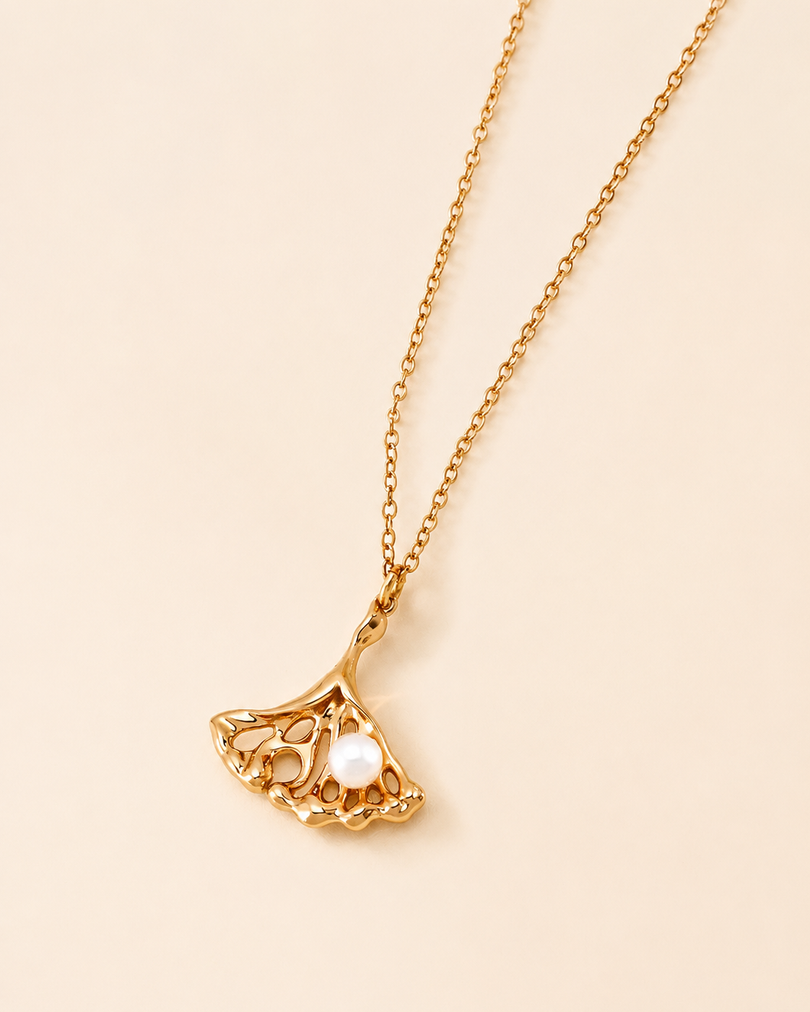
Begin with one pair of everyday earrings and one necklace in a material you already tolerate. Wear each new piece separately before adding more. This makes it easier to identify a problem and prevents you from abandoning an entire collection because one clasp, backing, or alloy caused irritation.
Daily Habits That Reduce Irritation
Apply jewelry only after skincare, sunscreen, and fragrance have dried. Remove rings and bracelets before washing, exercise, or prolonged water exposure. Wipe pieces after wearing them and give irritated skin time to recover. Clean jewelry cannot eliminate an allergy, but it can reduce residue and moisture-related irritation.
When to Stop Wearing a Piece
Remove jewelry if you develop persistent itching, redness, swelling, blistering, pain, or discharge. Do not place the same piece back onto damaged skin. A dermatologist can perform patch testing for suspected metal allergies, while painful or infected piercings should be assessed by an appropriate healthcare professional.
Related Jewelry Guides
Medical and Regulatory Sources
This article provides general education, not a diagnosis or treatment plan. For persistent, severe, spreading, or infected-looking skin reactions, consult a qualified healthcare professional.
Frequently Asked Questions
What jewelry is best for very sensitive skin?
Implant-grade titanium, platinum, and niobium are strong starting points. People who tolerate sterling silver may also wear carefully sourced gold vermeil over a nickel-free silver base.
Why do earrings irritate my ears but necklaces do not?
Earring posts pass through the skin and create more direct exposure. The post, backing, friction, and piercing condition can all contribute to irritation.
Can a jewelry allergy appear suddenly?
Yes. Metal sensitivity can develop after repeated exposure, and skin may also become temporarily more reactive because of heat, sweat, illness, or irritation.
What should I check before buying hypoallergenic jewelry?
Verify the base metal, plating thickness, posts, clasps, findings, nickel claims, and any testing standard rather than relying on the word hypoallergenic alone.