
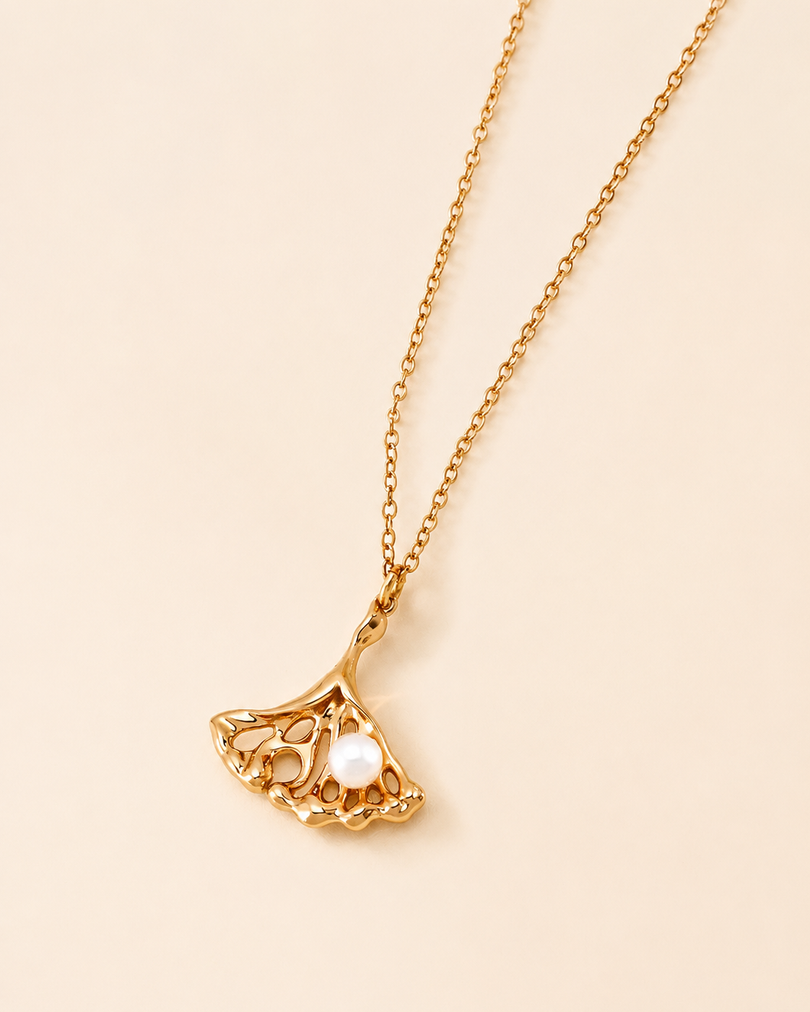
AAA pearl grade can be useful, but the label alone does not guarantee consistent quality. A trustworthy seller should explain what its grade means and show the qualities behind it.

How Pearl Grading Systems Work
Many pearl sellers use an A to AAA scale, but there is no universal authority defining exactly what each letter must mean. The Gemological Institute of America takes a different approach and evaluates pearls using seven value factors: size, shape, color, luster, surface, nacre, and matching.
| Retail Grade | Typical Luster | Typical Surface | Shape and Matching |
|---|---|---|---|
| AAA | Strong, bright reflections | Mostly clean to the eye | Well matched for the intended design |
| AA | Good to moderate reflections | Some visible natural characteristics | Some variation may be visible |
| A | Softer or less defined reflections | More visible natural characteristics | Greater variation may be visible |
What a Strong AAA Pearl Claim Should Explain
Because seller standards differ, a credible AAA claim should be supported by clear descriptions and realistic photography. Look for these quality factors:
- Luster: Strong pearls show bright, defined reflections and visual depth rather than a flat or chalky appearance.
- Surface: Natural surface characteristics are normal. Higher-quality pearls generally appear cleaner, but sellers should explain their own tolerance.
- Shape: Roundness matters for classic round styles. Baroque pearls should be judged for intentional shape, balance, and beauty rather than perfect symmetry.
- Nacre quality: Healthy nacre contributes to the pearl’s depth, durability, and overall appearance.
- Matching: Earrings and strands should feel balanced in luster, color, size, and visual weight.
When shopping from Lia Atelier or any pearl seller, compare the stated grading criteria with the product photography, material details, and return policy rather than relying on the AAA label alone.
How to Assess an AAA Pearl Claim Before Purchasing
Use these three checks to evaluate whether a seller’s grading claim is supported by the pearl’s visible qualities and product information.
Step 1: Check Reflection Sharpness
View the pearl under soft, bright light. Strong luster produces defined reflections and visible depth. A sharp reflection suggests higher luster, but it does not prove an AAA grade by itself.
Step 2: Inspect the Visible Surface
Rotate the pearl and look for pits, wrinkles, scratches, or discoloration. Natural characteristics are expected. Compare what you see with the seller’s disclosed grading standard instead of relying on a fixed universal percentage.
Step 3: Verify the Seller’s Criteria
Look for a clear explanation of the grade, pearl type, size, shape, materials, and return policy. Be cautious when a seller uses AAA without defining what the label means for that specific product.
Frequently Asked Questions
Is there an official regulatory body for AAA pearl grading?
No. Retail systems such as A to AAA are not governed by one universal independent standard, so definitions can vary between sellers.
What is the difference between AAA and AA pearls?
AAA usually describes a seller’s higher-quality tier, often with stronger luster, cleaner-looking surfaces, and better matching. The exact difference depends on the seller’s disclosed standards.
Can baroque pearls be high quality?
Yes. High-quality baroque pearls can have excellent luster, attractive surfaces, strong nacre, and beautifully balanced organic shapes.
What matters more than the AAA label?
Luster, surface quality, shape, color, nacre, matching, realistic photography, and seller transparency provide more useful evidence than an unexplained grade alone.
The Bottom Line
AAA is most useful when a seller clearly defines it. Compare the label with visible pearl quality, disclosed standards, and reliable product information. A transparent explanation is a stronger buying signal than the grade alone.
Explore Lia Atelier pearl necklaces and review each piece’s materials and product details before choosing the style that suits you.
Authoritative sources
The following independent sources support the material definitions, identification methods, and care guidance used in this article.