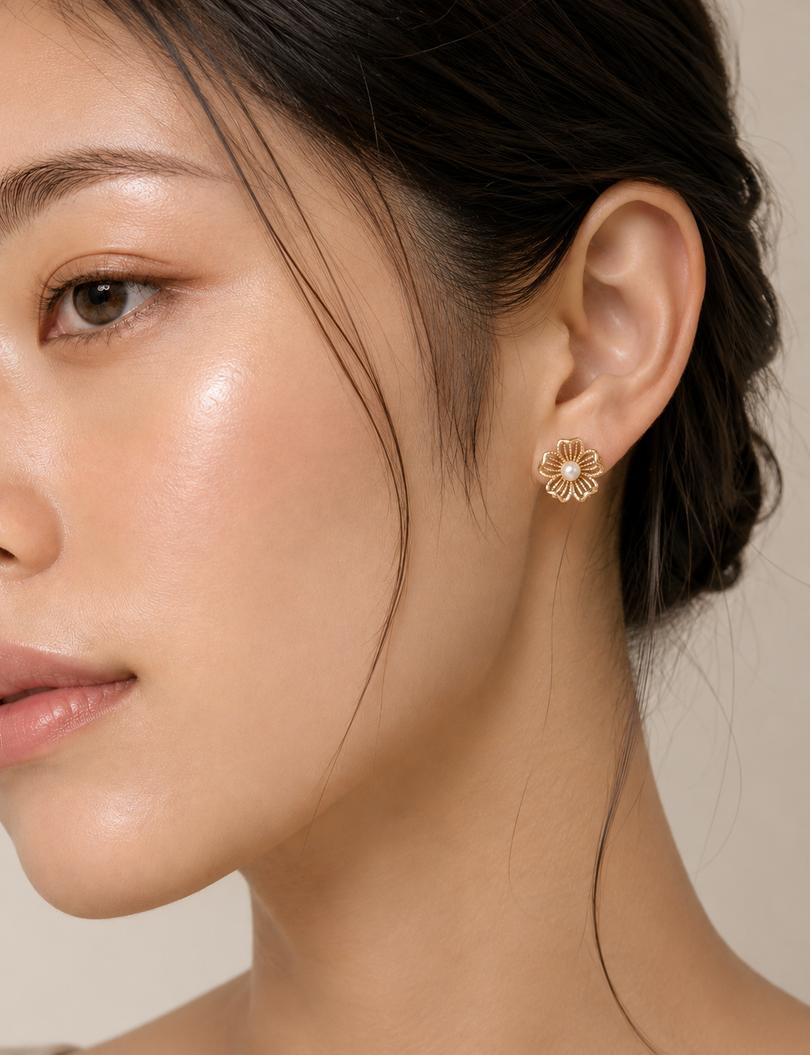
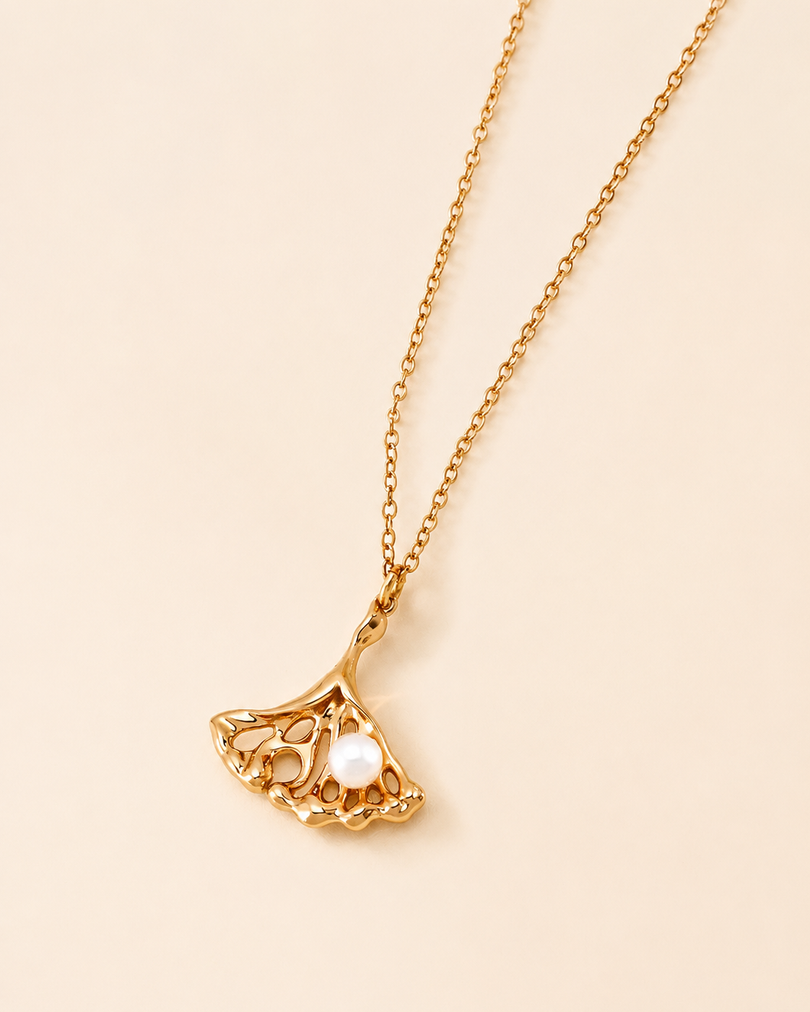
If you have ever worn a necklace, ring, or pair of earrings and noticed red, itchy, or irritated skin afterward, the jewelry may be part of the problem. The reaction is often connected to nickel exposure, unknown metal alloys, worn plating, or trapped moisture and product residue.
This does not mean every affordable piece is bad or every expensive piece is safe. It means material clarity matters. When you know what touches your skin, you can make better choices.
Why Some Cheap Jewelry Irritates Skin
Many low-cost jewelry pieces use base metals that are not clearly disclosed. Some may contain nickel or other alloys that can bother sensitive skin. When sweat, water, lotion, or friction interacts with the metal, small amounts of material can transfer onto the skin and trigger irritation in people who are sensitive.
Common signs of jewelry irritation include redness, itching, dryness, tenderness, or a rash where the jewelry touched the skin. If symptoms are severe, spreading, blistering, or recurring, it is best to stop wearing the piece and speak with a dermatologist.
What Is Nickel Sensitivity?
Nickel is a common cause of jewelry-related allergic contact dermatitis. The American Academy of Dermatology notes that earrings, earring backs, watches, necklaces, rings, and bracelets can all be sources of exposure. Reactions often begin where the metal touches the skin, although symptoms and timing vary by person.
Nickel reactions are not always immediate. Some people notice discomfort within hours, while others react after repeated wear. That is why a piece can seem fine at first and then start causing irritation later.
Better Jewelry Materials for Sensitive Skin
No jewelry material can guarantee that every person will never react. Skin sensitivity is personal. Still, some materials are generally better starting points for people who have trouble with unknown base metals.
| Material | Why It Can Be Better | What to Check |
|---|---|---|
| Sterling silver | A precious metal base that is usually easier to understand than unknown alloys | Look for 925 sterling silver and clear alloy information when available |
| Gold vermeil | Uses gold over sterling silver, making the base metal clearer than many plated fashion pieces | Check plating thickness, base metal, and care instructions |
| Titanium | Often used for people with strong metal sensitivities | Confirm the grade and whether the full piece uses titanium |
| Solid gold | Higher purity gold can be a good option for many sensitive wearers | Check the karat and alloy composition, especially for white gold |
For a deeper material comparison, read Best Hypoallergenic Jewelry Materials for People with Metal Allergies.
What to Avoid If Jewelry Irritates Your Skin
- Jewelry with no material information
- Pieces labeled only as “gold tone” or “silver tone” without a base metal
- Very cheap earrings if your ears are already sensitive
- Worn plating that exposes unknown metal underneath
- Jewelry worn during sweating, swimming, or showering
- Perfume, sunscreen, lotion, or hair products trapped under necklaces or earrings
How to Choose Jewelry If Your Skin Reacts Easily
Step 1: Read the material details
Look for the base metal, plating type, pearl or gemstone details, and care notes. Avoid product pages that do not explain what touches your skin.
Step 2: Start with short wear tests
When trying a new piece, wear it for a short period first. If your skin reacts, remove the jewelry and do not continue wearing it through discomfort.
Step 3: Keep jewelry and skin clean
Wipe jewelry after wearing and avoid applying perfume, sunscreen, or lotion directly under the piece. Product buildup can make irritation worse.
Step 4: Choose clearer materials
If you react to unknown metals, consider pieces with clearer material descriptions, such as sterling silver, gold vermeil over sterling silver, titanium, or solid gold when appropriate.
Lia Atelier Pieces to Consider for Sensitive Skin Styling
If your skin reacts easily, choose pieces with clear material descriptions and avoid wearing jewelry through sweat, water, or irritation. These Lia Atelier styles are polished options to consider when building a more skin-conscious jewelry wardrobe.
Charlotte Necklace

Charlotte Necklace
A skin-conscious style with materials and dimensions clearly listed on the product page.
Minimalist Sterling Silver Drop Earrings

Minimalist Sterling Silver Drop Earrings
A skin-conscious style with materials and dimensions clearly listed on the product page.
Ball Chain Necklace

Delicate Ball Chain Necklace - Essential Layering Collection
A skin-conscious style with materials and dimensions clearly listed on the product page.
View Delicate Ball Chain Necklace - Essential Layering Collection
Mother of Pearl Clover Studs

Mother of Pearl Clover Studs
A skin-conscious style with materials and dimensions clearly listed on the product page.
Care Habits That Help Reduce Irritation
Even better materials need proper care. Jewelry that is dirty, wet, or covered in product residue can feel uncomfortable on sensitive skin.
- Put jewelry on after skincare, perfume, sunscreen, and hair products.
- Remove jewelry before showering, swimming, sleeping, or working out.
- Wipe pieces after wearing with a soft cloth.
- Store jewelry separately in a dry pouch or jewelry box.
- Stop wearing any piece that causes redness, itching, or discomfort.
For more help, read Essential Jewelry Care Tips and Jewelry Rash, Allergy, Irritation, or Infection?.
When to Stop Wearing a Piece
Remove jewelry immediately if you notice redness, itching, burning, swelling, blistering, or broken skin. Do not test the same piece repeatedly on irritated skin. If symptoms are painful, spreading, or recurring, speak with a dermatologist.
The Bottom Line
Cheap jewelry is not automatically harmful, and expensive jewelry is not automatically safe. The better question is: do you know what the piece is made from, and does your skin tolerate it?
Choose jewelry with clear material information, wear new pieces carefully at first, and listen to your skin. Comfort is part of beauty.
Medical and Regulatory Sources
This article provides general education, not a diagnosis or treatment plan. For persistent, severe, spreading, or infected-looking skin reactions, consult a qualified healthcare professional.
Frequently Asked Questions
Why does cheap jewelry make my skin itch?
Cheap jewelry may contain nickel or other unknown base metals that can irritate sensitive skin. Sweat, water, and product residue can make the reaction worse.
Is nickel the main reason jewelry causes rashes?
Nickel is one of the most common causes of jewelry-related contact reactions, but irritation can also come from friction, moisture, product buildup, or other metal sensitivities.
Is sterling silver good for sensitive skin?
Sterling silver can be a good option for many sensitive wearers, especially when the alloy is clearly described. People with strong sensitivities should still test new pieces carefully.
Can hypoallergenic jewelry still cause irritation?
Yes. Hypoallergenic means a piece is designed to reduce common irritants, but it does not guarantee that every person will react well to it.
What should I do if jewelry gives me a rash?
Remove the jewelry, clean the skin gently, and avoid wearing the piece again on irritated skin. If symptoms are severe, spreading, or recurring, speak with a dermatologist.