Compare jewelry materials for sensitive skin and metal allergies, including titanium, platinum, sterling silver, and gold vermeil, plus the labels worth checking.

What Hypoallergenic Jewelry Really Means
Hypoallergenic means a product is intended to be less likely to cause a reaction. It does not guarantee that every wearer will tolerate it, and the label is not a substitute for complete material disclosure. The most useful information is the exact metal, alloy, coating, posts, backs, clasps, and any nickel-release testing.
Best Jewelry Materials for Metal Allergies
| Material | Why People Choose It | What to Verify |
|---|---|---|
| Implant-grade titanium | Lightweight and highly inert | Implant-grade specification |
| Platinum | Durable precious metal | Alloy composition |
| Niobium | Nickel-free and corrosion resistant | Complete findings and posts |
| High-karat solid gold | Lower proportion of alloy metals | Nickel content and karat |
| 925 sterling silver | Accessible precious metal | Alloy and clasp materials |
| Gold vermeil | Gold over sterling silver | Silver base and nickel claims |
Nickel Is Often the Main Concern
Nickel is a common jewelry-related contact allergen. The American Academy of Dermatology describes nickel as a frequent cause of allergic contact dermatitis, which may involve itching, redness, dryness, swelling, or blisters. Because sensitivity varies, a material that works for one person may not work for another. A clinician may use patch testing to help identify a suspected contact allergy.
Do Not Forget Posts, Backs, and Clasps
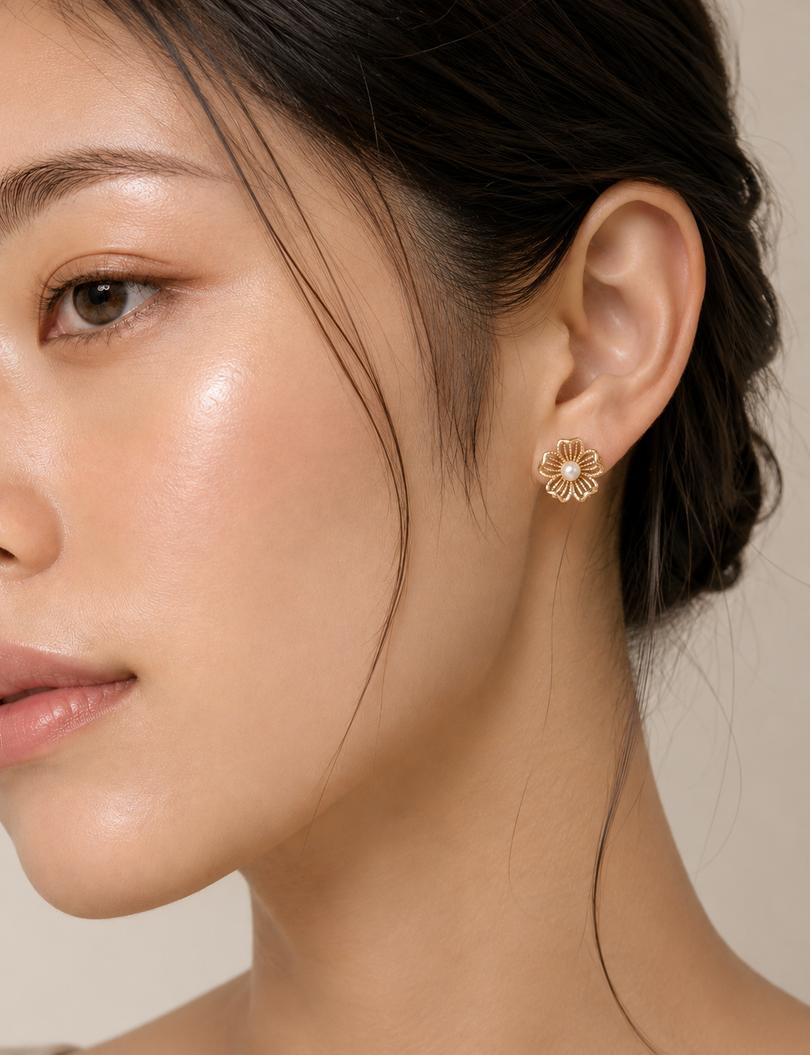
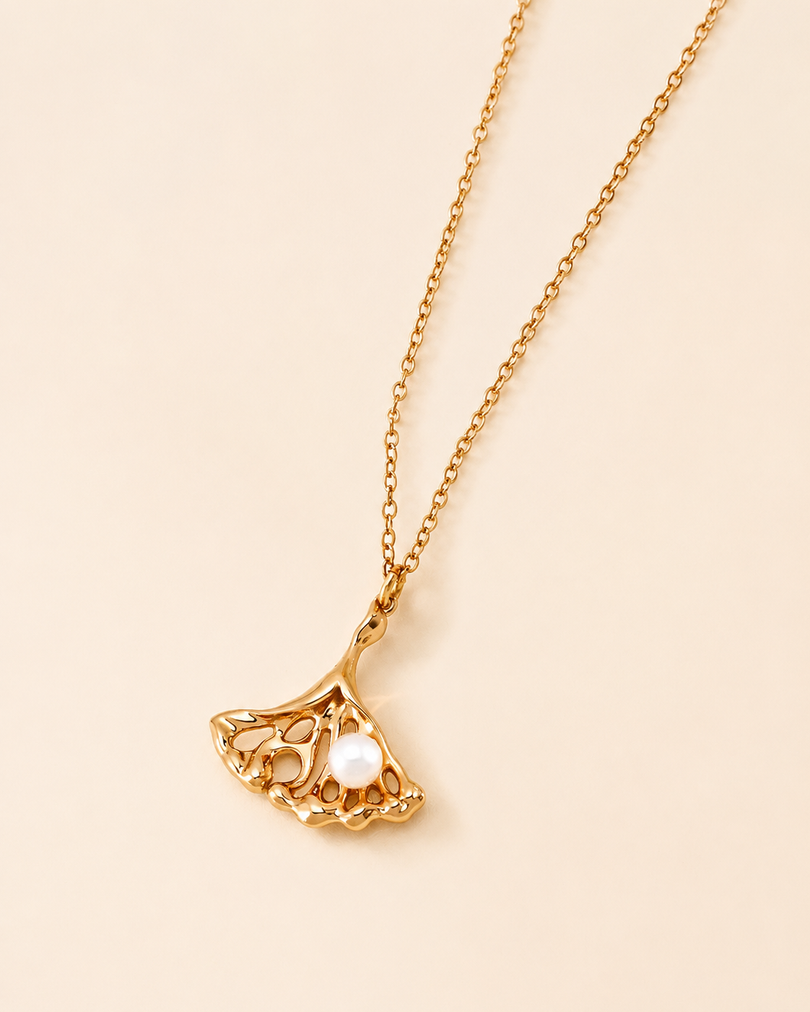
A necklace may use sterling silver for the chain but a different alloy in the clasp. Earrings may have safe decorative fronts but reactive posts or butterfly backs. These small components create prolonged skin contact, so ask about them with the same care you use for the main piece.
What About Gold Vermeil and Sterling Silver?
Properly sourced sterling silver and gold vermeil can work well for many people with sensitive skin. The advantage is material transparency: vermeil uses sterling silver beneath the gold instead of an unknown base metal. Still, buyers with severe sensitivities should verify nickel-release testing and the composition of every component.
How to Test a New Piece Safely
Start with a short wear period on healthy skin. Remove the piece if itching, burning, swelling, or a rash develops. Do not keep wearing jewelry over irritated skin. If reactions are severe, spreading, painful, or associated with discharge, seek medical advice rather than trying to diagnose the issue from the jewelry label alone.
Related Jewelry Guides
Medical and Regulatory Sources
This article provides general education, not a diagnosis or treatment plan. For persistent, severe, spreading, or infected-looking skin reactions, consult a qualified healthcare professional.
Frequently Asked Questions
What is the safest jewelry metal for sensitive skin?
Implant-grade titanium, platinum, and niobium are among the most inert choices. Properly sourced sterling silver and gold vermeil can also work well for many people.
Does hypoallergenic mean nickel free?
No. Hypoallergenic is not a regulated guarantee of zero nickel. Look for clear material disclosure, nickel-release testing, or an explicit nickel-free claim.
Can sterling silver cause an allergic reaction?
True silver allergy is uncommon, but some sterling silver alloys, clasps, or findings may contain other metals that cause reactions.
Is gold vermeil suitable for metal allergies?
Gold vermeil over nickel-free sterling silver is often suitable for sensitive skin, but buyers should verify the complete material composition and any testing claims.