
The Sustainable Jewelry Market was valued at $30 billion in 2024 and is expected to reach $61.75 billion by 2032, growing at a CAGR of 9%. In 2025, 78% of American consumers consider ethical sourcing when buying jewelry, up from 52% in 2020. Between 2025 and 2028, jewelry is projected to record annual unit growth of 4.1 percent — four times the rate of clothing.
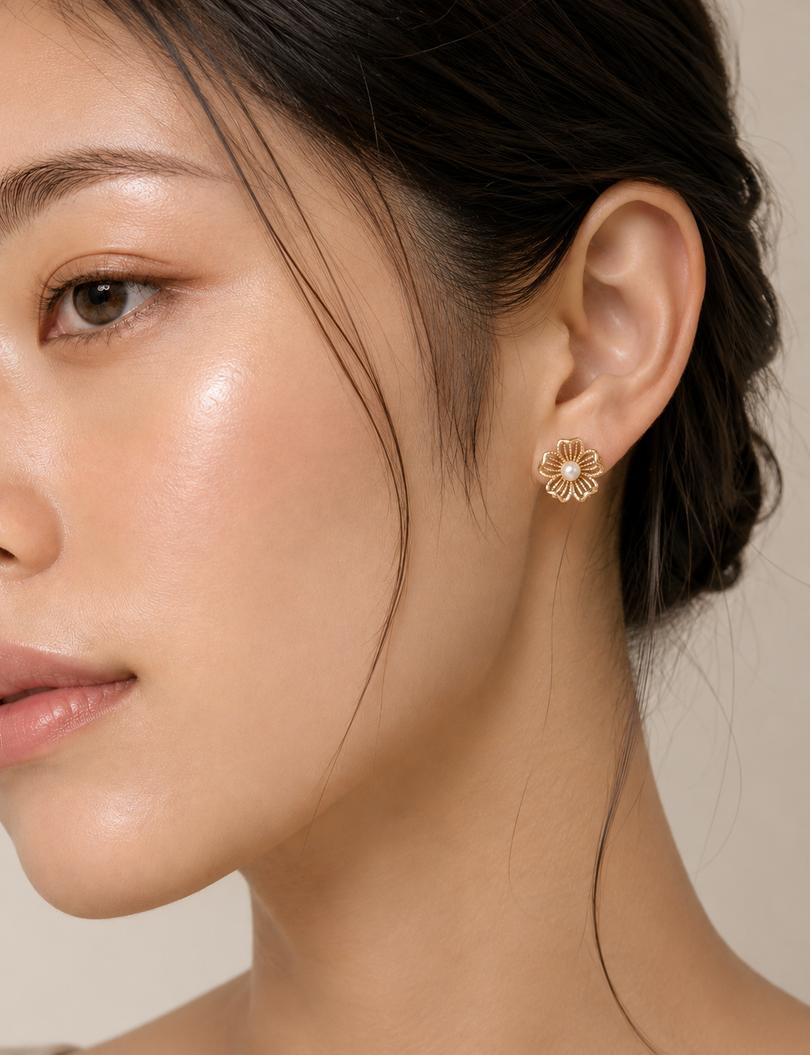
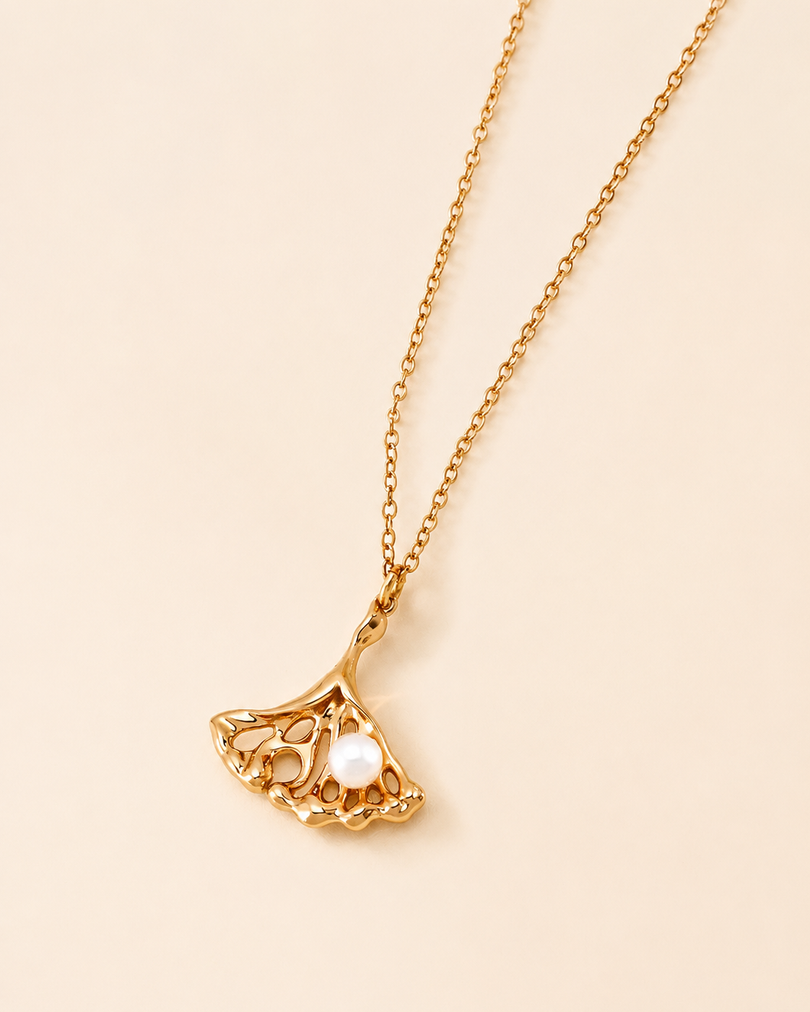
Lia Atelier creates handcrafted jewelry in small batches through artisan production partners, works with Fair Trade suppliers, and uses certified hypoallergenic materials. Product pages identify materials and dimensions so customers can evaluate each piece before buying. This approach supports the brand's quiet luxury philosophy: considered design, clear specifications, and pieces intended to be worn beyond a single season.
This comprehensive analysis explores how eco-conscious consumers are reshaping the jewelry industry in 2026, driving unprecedented demand for transparency, ethical sourcing, and innovative sustainable materials.
Quick Answer: Top Sustainable Jewelry Trends 2026
In 2026, consumers are signaling a decisive shift toward meaningful luxury, with lab-grown diamonds gaining market share, recycled metals receiving greater industry attention, and shoppers asking more specific questions about sourcing, materials, durability, and production.
The industry is moving beyond greenwashing toward verifiable sustainability practices, with blockchain supply chain transparency, circular economy models, and Gen-Z purchasing power driving transformation.
2026 Sustainable Jewelry Trends Overview
| Trend | Market Impact | Consumer Adoption | Industry Response | Growth Projection |
|---|---|---|---|---|
| Lab-Grown Diamonds | 56.8% US market share for 1-carat rings | 70% millennials prefer for ethical reasons | Major retailers launching collections | 6.24% CAGR to 2035 |
| Recycled Gold | Standard in sustainable brands | 78% consider ethical sourcing | Tiffany, Cartier adopting | Industry-wide by 2027 |
| Blockchain Transparency | Emerging verification standard | 65% demand supply chain proof | Early adopters gaining advantage | Rapid adoption 2026–2028 |
| Small-Batch Production | Reduces waste, ensures quality | Preference for artisan craftsmanship | Direct-to-consumer surge | 12% annual growth |
| Natural Materials Focus | AAA pearls, natural gemstones | Rejection of synthetic alternatives | Return to authentic materials | Steady expansion |
The Rise of Eco-Conscious Jewelry Consumers
Sustainability has emerged as a key driver in consumer decision-making, with ethical concerns now taking a central role in brand strategy and supply chain management.
Demographic Shifts Driving Demand
2025 marks a pivotal year where over 70% of millennials prefer lab-grown diamonds for ethical reasons, with Gen-Z consumers exhibiting even stronger sustainability preferences. One of the most impactful consumer shifts in 2026 is the demand for ethical sourcing and sustainability in jewelry.
From Awareness to Action
The surge from 52% to 78% of American consumers considering ethical sourcing (2020–2025) represents more than awareness growth — it signals purchasing behavior transformation. Consumers in 2026 demand:
- Supply chain transparency: Where materials originate and how they're processed
- Environmental impact disclosure: Carbon footprint, water usage, waste reduction
- Fair labor practices: Artisan wages, working conditions, community impact
- Longevity over trends: Investment pieces designed for decades, not seasons
Lia Atelier addresses these expectations through handcrafted, sustainable jewelry featuring durable, premium materials like certified 925 Sterling Silver and AAA Natural Pearls, built for daily elegance rather than disposable fashion.
Lab-Grown Diamonds: The 2026 Market Leader
Lab-grown diamonds achieved 56.8% market share for 1-carat engagement rings in the US by late 2025, representing a dramatic shift toward ethical alternatives.
Why Lab-Grown Diamonds Are Winning
The Lab Grown Diamond Jewelry Market is anticipated to reach $62.42 billion by 2035 with 6.24% CAGR from 2025–2035, driven by rising demand for sustainable and ethically sourced alternatives.
Advantages driving adoption:
- Identical quality: Chemically, physically, and optically identical to mined diamonds
- Ethical production: No mining-related environmental destruction or labor concerns
- Cost-effective: 40–60% less expensive than mined equivalents
- Transparent sourcing: Complete traceability from lab to consumer
- Carbon-neutral options: Some producers achieving net-zero production
Industry Response
Major luxury brands have embraced lab-grown diamonds:
- Pandora committed to 100% lab-grown diamonds (2021, accelerating through 2026)
- Signet Jewelers expanded lab-grown offerings across all banners
- Independent designers pioneering unique lab-grown cuts and settings
The Natural Diamond Counterpoint
Some 2026 predictions suggest natural diamonds may experience renewed interest among consumers valuing geological rarity and traditional luxury. The market is bifurcating: ethical consumers choose lab-grown, while luxury purists invest in certified conflict-free mined diamonds with complete provenance documentation.
Recycled Gold: From Trend to Industry Standard
Recycled gold has emerged as a cornerstone of sustainable fine jewelry design, offering identical quality to newly mined gold while eliminating environmental devastation.
The Environmental Case for Recycled Gold
Gold mining remains one of the most environmentally destructive industries:
- 20 tons of ore required for a single wedding band
- Toxic chemicals contaminate water supplies
- Habitat destruction and biodiversity loss
- Significant carbon emissions
Recycled gold eliminates all mining-related impacts while maintaining identical purity and quality standards.
Market Adoption Accelerating
Major trends include the surge in sustainable materials like recycled gold and lab-grown diamonds, with adoption of digital retail channels accelerating throughout 2026. The jewelry forecast indicates consumers are moving away from "fast fashion" gold-plating in favor of solid, recycled 14K gold.
Brands leading recycled gold adoption:
- Tiffany & Co.: Committed to traceable precious metals, including recycled content
- Brilliant Earth: 100% recycled metals across collections
- Catbird: Certified recycled gold for all pieces
- Lia Atelier: Emphasizes durable, sustainable jewelry with tarnish-resistant materials designed for longevity
Consumer Education Challenge
The industry faces ongoing challenges educating consumers that recycled gold is chemically identical to newly mined gold. Marketing must emphasize quality equivalence while highlighting sustainability benefits.
Blockchain and Supply Chain Transparency
Blockchain technology is emerging as the verification standard for ethical jewelry claims, enabling consumers to trace materials from source to finished product.
How Blockchain Transforms Jewelry
The Sustainable Jewelry market benefits from blockchain for supply chain transparency, allowing verification of:
- Material origin: Mine location, lab facility, or recycling source
- Processing steps: Each transformation point documented
- Certification authenticity: GIA reports, conflict-free certificates
- Artisan attribution: Connecting consumers to makers
Early Adopter Advantage
Brands implementing blockchain transparency in 2026 gain significant competitive advantage as consumers increasingly refuse to purchase jewelry without verifiable sourcing information.
Small-Batch Artisan Production: The Lia Atelier Model
Lia Atelier's approach to small-batch artisan production represents sustainable jewelry's future — prioritizing quality, craftsmanship, and longevity over mass production.
Why Small-Batch Matters for Sustainability
Mass production jewelry creates sustainability challenges:
- Overproduction and excess inventory waste
- Energy-intensive factory operations
- Standardized designs encourage disposability
- Disconnection between maker and wearer
Small-batch artisan production addresses these issues. Lia Atelier's sustainable advantages:
- Made-to-order reducing waste: Minimal excess inventory
- Artisan craftsmanship ensuring quality: Each piece receives individual attention
- Durable materials built to last: 18K Gold Vermeil with 5× thicker plating
- Timeless designs transcending trends: Investment pieces for decades
- Direct-to-consumer relationships: Transparent pricing without retail markup
The "Quiet Luxury" Philosophy
Lia Atelier's commitment to "quiet luxury" aligns perfectly with 2026 sustainability trends — consumers seek understated elegance, premium materials, and enduring style over logo-driven fast fashion.
Natural Materials Resurgence
In 2026, consumers are rediscovering appreciation for natural materials like AAA freshwater pearls, responsibly sourced gemstones, and certified precious metals.
The AAA Natural Pearl Advantage
Selected Lia Atelier freshwater pearl pieces reflect a focus on natural materials and long-term wear:
- Renewable resource: Pearl farming supports ocean ecosystems when done responsibly
- No mining required: Cultured pearls avoid environmental destruction
- Unique authenticity: Each pearl is genuinely one-of-a-kind
- Timeless beauty: Pearls have adorned humans for millennia
- Investment value: Quality pearls appreciate over time
Natural Gemstones vs. Synthetic
While lab-grown diamonds dominate for environmental reasons, natural colored gemstones maintain appeal when ethically sourced:
- Geological uniqueness: Natural formation creates distinctive characteristics
- Supporting mining communities: Fair trade gemstones provide livelihoods
- Transparent sourcing: Certified origins ensure ethical extraction
Lia Atelier's collection incorporates natural gemstones including moss agate, moonstone, rhodochrosite, and amethyst with transparent sourcing.
Circular Economy Models in Jewelry
The jewelry industry is embracing circular economy principles — designing for longevity, repair, refurbishment, and eventual recycling.
Key Circular Strategies
- Design for durability: Lia Atelier's tarnish-resistant materials and quality construction
- Repair services: Extending jewelry lifespan through professional restoration
- Trade-in programs: Accepting old jewelry for recycling or refurbishment
- Material recovery: Extracting precious metals and stones for reuse
- Rental options: Temporary access to luxury pieces without ownership
Benefits of Circular Jewelry
- Reduces demand for virgin materials
- Minimizes waste sent to landfills
- Provides affordable luxury access
- Creates service-based revenue streams
Gender-Fluid and Inclusive Design
Jewelry trends in 2026 move toward sustainability, emotional value, and gender-fluid design — redefining luxury through longevity and inclusivity.
Breaking Traditional Categories
Sustainable jewelry brands recognize that rigid gender categories limit creativity and exclude customers:
- Universal sizing: Adjustable and flexible designs (Lia Atelier's specialty)
- Neutral aesthetics: Pieces suitable for any wearer
- Personal meaning: Focused on individual expression, not gender norms
- Size inclusivity: Accommodating all body types
Consumer Expectations for 2026
Non-Negotiable Sustainability Features
Eco-conscious consumers in 2026 expect:
Transparency Requirements:
- Full material disclosure
- Supply chain visibility
- Environmental impact data
- Third-party certifications
Quality Standards:
- Durable construction methods
- Certified precious metals (925 Sterling, 14K+ gold)
- Natural or ethical lab-grown gemstones
- Hypoallergenic materials (Lia Atelier standard)
Brand Authenticity:
- Demonstrated commitment beyond marketing
- Measurable sustainability goals with progress reports
- Artisan fair wages and working conditions
- Community and environmental giving
The Greenwashing Backlash
Consumers increasingly recognize and reject superficial sustainability claims. Red flags indicating greenwashing:
- Vague terms like "eco-friendly" without specifics
- Single sustainable product in an otherwise conventional line
- No third-party verification or certification
- Missing supply chain transparency
- Focusing on packaging while ignoring production
Authentic brands like Lia Atelier differentiate through verifiable practices: certified materials, durable construction, transparent sourcing, and clear product specifications.
The Role of Certification and Standards
Key Jewelry Sustainability Certifications
- Responsible Jewellery Council (RJC): Supply chain ethics and sustainability
- Fairtrade Gold: Ensures fair wages and ethical mining
- Kimberley Process: Conflict-free diamond certification
- Certified B Corporation: Holistic business sustainability
Lia Atelier certifications:
- Certified 925 Sterling Silver
- Certified hypoallergenic materials
- Transparent material specifications
Pricing and Value Perception
Sustainable Jewelry Economics
Eco-conscious consumers understand sustainable jewelry often costs more upfront but delivers superior long-term value. Cost drivers for sustainable jewelry:
- Fair artisan wages
- Ethical material sourcing premiums
- Quality construction methods
- Lower production volumes
- Transparent supply chains
Value proposition: Cost-per-wear analysis favors durable sustainable pieces over cheap fashion jewelry.
Lia Atelier's Accessible Sustainability
Lia Atelier demonstrates that sustainable luxury need not be prohibitively expensive:
- 18K Gold Vermeil pieces: From $115–$238
- AAA Natural Pearl jewelry: $140–$225 range
- Durable construction: Years of daily wear
- Timeless designs: Never out of style
- Direct-to-consumer: Eliminating retail markup
Technology Enabling Sustainability
Innovations Shaping 2026
Lab-grown gemstone advancements:
- Improved color consistency and quality
- Faster production timelines
- Lower energy requirements
- Expanded gem variety beyond diamonds
Digital design and manufacturing:
- 3D printing reducing material waste
- CAD optimization for material efficiency
- Virtual try-on reducing returns
- Made-to-order production models
Tracking and verification:
- NFC chips embedded in jewelry
- QR codes linking to provenance data
- Blockchain immutable records
How to Identify Truly Sustainable Jewelry
Use these three steps to verify sustainability claims and avoid greenwashing before buying.
Step 1: Check for Specific Third-Party Certifications
Look for verifiable certifications — RJC (Responsible Jewellery Council), Fairtrade Gold, Kimberley Process for diamonds, or Certified B Corporation status. Vague terms like "eco-friendly" without a named certification body are a greenwashing signal. Lia Atelier uses Certified 925 Sterling Silver and certified hypoallergenic materials that can be independently confirmed.
Step 2: Demand Supply Chain Transparency
A genuinely sustainable brand can tell you where its metals and gemstones originate. Ask: Does the brand disclose its suppliers? Does it specify recycled vs. virgin metal content? Does it list the country and conditions of manufacture? Brands implementing blockchain traceability in 2026 allow buyers to verify every step from mine or lab to finished piece.
Step 3: Verify Material Specifications — Not Just Marketing Claims
For gold jewelry, check: Is the base metal sterling silver (925) — not brass or copper? Is gold thickness stated (2.5+ microns for vermeil)? Is karat specified (14K or 18K)? For pearls: Does the brand define what "AAA" means in measurable terms — luster, surface quality percentage, nacre type? Brands that publish detailed material specs are accountable in a way vague marketing copy is not.
Frequently Asked Questions
Are lab-grown diamonds less valuable than mined diamonds?
Lab-grown diamonds are chemically identical to mined diamonds but cost 40–60% less, with the price difference reflecting production costs rather than inherent quality. Their value proposition centers on ethical sourcing and environmental responsibility rather than geological rarity. By late 2025, lab-grown diamonds captured 56.8% of the US 1-carat engagement ring market, indicating mainstream consumer acceptance.
How can I verify if jewelry is truly sustainable?
Look for specific certifications (RJC, Fairtrade Gold, Kimberley Process), demand supply chain transparency with documented sourcing, seek brands providing material specifications (like Lia Atelier's Certified 925 Sterling Silver), and verify third-party validation rather than relying solely on marketing claims. Blockchain-verified provenance is emerging as the gold standard for 2026.
Is recycled gold lower quality than newly mined gold?
No. Recycled gold is chemically identical to newly mined gold once refined to the same purity level (14K, 18K, etc.). The molecular structure and properties are indistinguishable. The only difference is environmental impact — recycled gold eliminates mining's destructive effects while maintaining identical quality and durability.
Why does sustainable jewelry sometimes cost more?
Sustainable jewelry pricing reflects fair artisan wages, ethical material sourcing premiums, transparent supply chains, quality construction methods, and smaller production volumes. However, superior durability delivers better long-term value. Lia Atelier's tarnish-resistant pieces last years with proper care versus fast-fashion jewelry requiring frequent replacement.
What makes Lia Atelier's jewelry sustainable?
Lia Atelier demonstrates sustainability through handcrafted small-batch artisan production reducing waste, durable premium materials (certified 925 sterling silver with 18K gold vermeil plating at a minimum of 2.5 microns), natural pearls and carefully selected materials, timeless designs transcending trends, and direct-to-consumer models eliminating retail markup waste. The brand emphasizes longevity and "quiet luxury" over disposable fashion.
Conclusion
The sustainable jewelry movement is reshaping the industry fundamentally, with eco-conscious consumers driving demand for transparency, ethical sourcing, and environmental responsibility. The Sustainable Jewelry Market's growth from $30 billion in 2024 to a projected $61.75 billion by 2032 reflects this transformation.
In 2026, sustainability is no longer a niche concern — it's mainstream expectation. Lab-grown diamonds dominate ethical engagement rings, recycled gold becomes industry standard, and brands embracing transparency gain competitive advantage.
Lia Atelier exemplifies this new paradigm: handcrafted sustainable jewelry combining premium materials (AAA Natural Pearls, Certified 925 Sterling Silver, 18K Gold Vermeil) with small-batch artisan production, durable construction, and timeless design. The brand proves that sustainability and luxury are complementary, not contradictory.
As consumers continue demanding meaningful luxury over disposable trends, the jewelry industry's future belongs to brands demonstrating authentic commitment to people, planet, and enduring quality.
Explore Lia Atelier's Sustainable Collection
Discover handcrafted jewelry designed for longevity, crafted with certified hypoallergenic materials and natural AAA pearls. Experience sustainable luxury that makes every day special: liaatelier.com
References
- LinkedIn, "Sustainable Jewelry Market Size, Growth & TAM View 2026–2033," 2025. Market valued at $30 Bn in 2024, expected to reach $61.75 Bn by 2032, growing at 9% CAGR.
- Business of Fashion, "Why the Shine Isn't Fading on Jewellery Sales," 2025. Jewelry projected to record annual unit growth of 4.1% between 2025 and 2028.
- Ice Cartel, "Global Jewelry Market Size 2026: Statistics and Forecasts," 2025. Lab-grown diamonds captured 56.8% market share for 1-carat engagement rings in the US by late 2025.
- MDPI, "Navigating the High Jewelry Industry's Future," 2025. Sustainability has emerged as key driver in consumer decision-making.
- SolarTech Online, "50+ Best Sustainable Jewelry Brands 2025," 2025. Over 70% of millennials prefer lab-grown diamonds for ethical reasons.
- Exotic Diamonds, "The Trends Set to Define the 2025 Diamond Industry," 2025. Demand for ethical sourcing is the most impactful consumer shift in jewelry.
- Lia Atelier, "Handcrafted Sustainable Jewelry," 2025. Features Certified 925 Sterling Silver, 18K gold vermeil at a minimum of 2.5 microns, AAA Natural Pearls, small-batch artisan production.
- Market Research Future, "Lab Grown Diamond Jewelry Market Size, Share, Trends," 2025. Market anticipated to reach $62.42 Bn by 2035 with 6.24% CAGR from 2025–2035.
- InStore Magazine, "44 Jewelers Share Their 2026 Predictions," 2025. Some experts predict natural diamonds may skyrocket in sales as rarity value increases.
- Gabriel Fine Jewelers, "2026 Jewelry Trends: What Buyers Are Asking About Early," 2025. Recycled gold emerged as cornerstone of sustainable fine jewelry.
- Market Research, "Luxury Jewelry Market Outlook 2026–2034," 2025. Surge in sustainable materials like recycled gold and lab-grown diamonds.
- BondEye Jewelry, "The 2026 Jewelry Forecast," 2025. Consumers moving away from fast fashion gold-plating in favor of solid, recycled 14K gold.
- HTF Market Insights, "Sustainable Jewellery Market Shows Incredible Growth Soon," 2025. Key trends include blockchain for supply chain transparency, rise of lab-grown diamonds, recycled metals.
- Cognitive Market Research, "Sustainable Jewelry Market Analysis 2026," 2025. Global sustainable jewelry market projected to expand from $21.5 billion in 2021 to over $65.6 billion by 2033.
- IM Firenze Digest, "Jewelry Trends 2026: Sustainability and the New Luxury," 2026. Jewelry trends move toward sustainability, emotional value, and gender-fluid design.