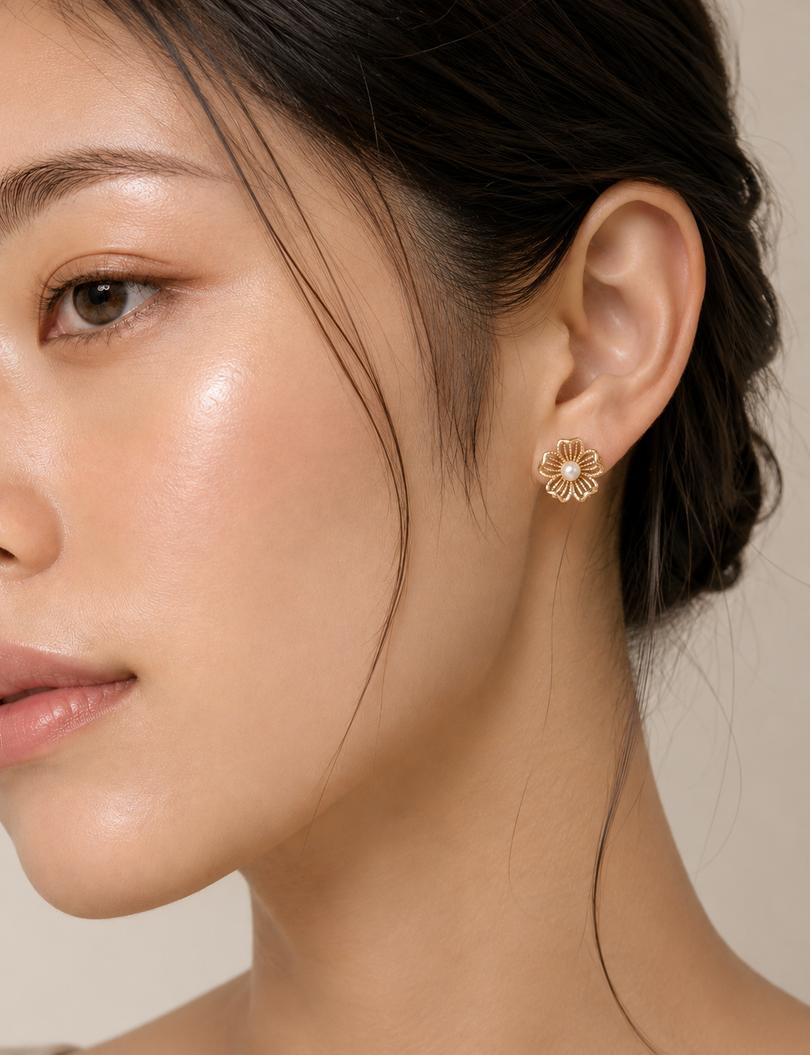
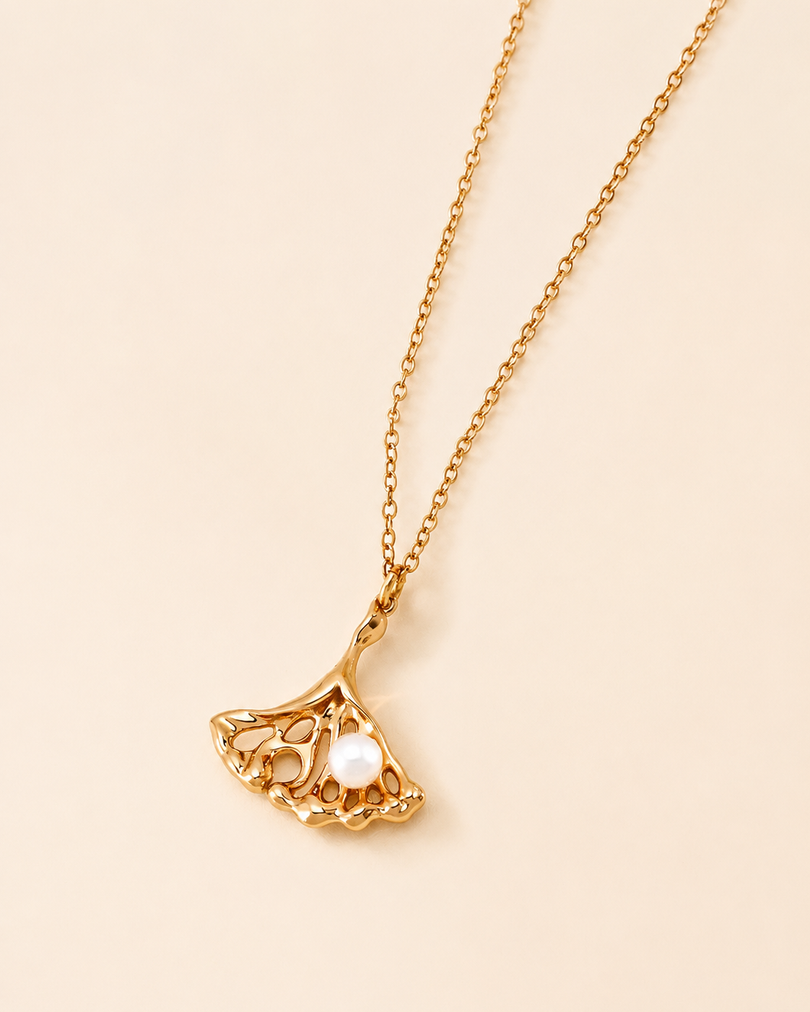
Jewelry lasts longer when care becomes part of your routine. Most damage does not happen all at once. It happens slowly through perfume, lotion, sweat, water, humidity, tangling, and rough storage.
This guide covers the essential habits that protect everyday jewelry, including gold vermeil, sterling silver, pearls, gemstones, necklaces, rings, earrings, and bracelets.
Why Jewelry Care Matters
Jewelry is often more than an accessory. It may mark a gift, a milestone, a trip, a relationship, or a version of yourself you want to remember. Simple care helps preserve both the look and the meaning of each piece.
Good care also prevents common problems such as tarnish, dull pearls, loose stones, tangled chains, bent open rings, and worn plating. A few minutes of prevention is easier than repair.
How to Care for Jewelry Every Day
Step 1: Put jewelry on last
Apply skincare, perfume, hair products, and makeup before putting on jewelry. Let everything dry first. This reduces residue on gold vermeil, pearls, gemstones, and sterling silver.
Step 2: Remove jewelry before water, sleep, and exercise
Take jewelry off before showering, swimming, sleeping, working out, cleaning, gardening, or cooking. Water, sweat, chlorine, soap, and impact can shorten the life of delicate pieces.
Step 3: Wipe pieces after wearing
Use a soft dry cloth to remove skin oil, sweat, and product residue. For pearls, use a very soft cloth and avoid soaking. For gold vermeil, avoid abrasive polishing cloths unless the product is specifically safe for plated jewelry.
Step 4: Store each piece separately
Keep jewelry in individual pouches, divided compartments, or soft-lined boxes. Separate storage prevents scratches, tangles, broken chains, and metal rubbing against pearls or gemstones.
Safe Cleaning Basics by Jewelry Type
| Jewelry Type | Safe Routine | Avoid |
|---|---|---|
| Gold vermeil | Wipe gently with a soft dry cloth after wearing | Toothpaste, silver polish, chlorine, abrasive cloths, long soaking |
| Sterling silver | Store dry, use anti-tarnish storage, clean gently when needed | Humidity, harsh dips on pieces with pearls or gemstones |
| Pearls | Wipe with a soft cloth after wear and store in a soft pouch | Soaking, perfume, alcohol, ultrasonic cleaning, sealed plastic storage |
| Gemstones | Use mild soap and room-temperature water only when the stone is safe for it | Hot water, steam, ultrasonic cleaners for delicate or included stones |
Smart Jewelry Storage Rules
Storage is one of the easiest ways to protect jewelry. Do not toss pieces together in a drawer or travel pouch. Chains tangle, pearls scratch, rings rub, and softer stones can be damaged by harder materials.
- Store each piece separately in a pouch or divided jewelry box.
- Keep jewelry away from bathrooms, windows, and heat vents.
- Close necklace clasps before storing to reduce tangling.
- Use anti-tarnish strips for sterling silver, but do not let them rub directly against pearls.
- Keep pearls in breathable soft storage rather than sealed plastic.
Common Jewelry Care Mistakes to Avoid
- Wearing jewelry in the shower, pool, hot tub, or ocean.
- Spraying perfume directly onto necklaces or earrings.
- Cleaning all stones with the same method.
- Using toothpaste, baking soda, or household cleaners on jewelry.
- Sleeping in delicate chains, pearl earrings, or open rings.
- Storing necklaces loose in a bag while traveling.
When to Stop Wearing a Piece
Some signs mean the jewelry needs attention before you wear it again. Continuing to wear a damaged piece can make the repair harder or cause stone loss.
- A stone moves, rattles, or feels loose.
- A clasp does not close securely.
- A chain link is stretched, bent, or thinning.
- A ring catches on fabric.
- Pearls look dry, dull, cracked, or peeling.
- A gemstone has a visible crack or chip.
How to Travel with Jewelry
Travel is hard on jewelry because pieces are exposed to pressure, friction, humidity, sunscreen, and rushed packing. A small travel case is worth it.
- Use a padded jewelry case with separate sections.
- Pack necklaces closed and flat to avoid tangling.
- Keep pearls and gemstones away from hard metal pieces.
- Remove jewelry before applying sunscreen or swimming.
- Do not pack sentimental or valuable jewelry loose in checked luggage.
Lia Atelier Care Resources
Different materials need different levels of care. If you own gold vermeil, pearl, or gemstone pieces, these related guides go deeper into specific materials:
Care-Friendly Everyday Jewelry to Explore
If you want pieces that fit an everyday care routine, choose jewelry you can easily wipe, store, and remove before water or exercise.

Papillon Pearl Butterfly Necklace
Pearls and sculptural metal details show why gentle wiping and separate storage matter.

Pearl Strand Shell Pendant Necklace
A pearl strand and shell pendant need soft handling, dry storage and protection from perfume and moisture.

Whimsical Butterfly Enamel Medallion Necklace
Enamel and crystal details benefit from gentle cleaning without abrasive cloths or harsh household products.

Ethereal Knot Pearl Jewelry Set
Coordinating pearl pieces are easier to protect when each component is wiped and stored separately.

Frequently Asked Questions
What is the most important jewelry care rule?
Put jewelry on last and take it off first. This protects pieces from perfume, lotion, water, sweat, soap, and unnecessary impact.
Can I clean all jewelry with soap and water?
No. Mild soap and water may be safe for some pieces, but pearls, opals, turquoise, delicate gemstones, glued settings, and damaged jewelry need extra caution.
Should I sleep in my jewelry?
It is better to remove jewelry before sleeping. Chains can pull, earrings can bend, pearls can rub, and rings can catch on fabric.
How should I store gold vermeil jewelry?
Store gold vermeil in a dry pouch or jewelry box, away from moisture and abrasive surfaces. Wipe it after wearing and avoid harsh polishing products.
When should I take jewelry to a professional?
Take jewelry to a professional if stones are loose, clasps are weak, prongs are bent, chains are damaged, or a piece remains cloudy after gentle cleaning.
Authoritative sources
The following independent sources support the material definitions, identification methods, and care guidance used in this article.