Having sensitive skin doesn't mean you can't wear jewelry daily. It means you need to be more deliberate about what you wear and how you wear it. The people who give up on jewelry usually do so after a bad experience with the wrong materials, not because their skin is incompatible with jewelry altogether.
Here's a practical guide for building a jewelry wardrobe that actually works with your skin.

Start With One Material, Not a Whole Collection
The most common mistake is buying several pieces at once, wearing them all, getting a reaction, and then not knowing which piece caused it. Start with one piece in a known safe material — certified 925 sterling silver or 18K gold vermeil are the best starting points, and wear just that piece for a week before adding anything else.
Once you know your skin is happy with that material, you can add more pieces with confidence. If you get a reaction, you know exactly which new addition caused it.
The Daily Routine That Actually Helps
Putting Jewelry On
Always put jewelry on after your full routine — after moisturizer, perfume, and sunscreen have dried. Fragrance and chemical compounds in skincare products get trapped between your skin and jewelry and cause irritation that has nothing to do with the metal itself. This one habit eliminates a significant portion of "why is my skin reacting" situations.
During the Day
Take rings and bracelets off before washing your hands, washing dishes, or cooking. Moisture trapped under jewelry — especially in warm weather or during exercise — creates ideal conditions for irritation. This isn't about the metal being reactive; it's just physics.
If you exercise with earrings in, clean the posts and backs with a soft cloth after. Sweat that dries on metal and then stays in contact with your skin is more problematic than sweat that gets wiped away.
Taking Jewelry Off
Wipe each piece with a soft, dry cloth before putting it away. This removes skin oils, sweat, and product residue. Cleaning jewelry in contact with your skin next time means less cumulative irritation over time.
Store pieces in separate soft pouches so they don't scratch against each other. Scratched metal surfaces have more surface area in contact with skin, which increases both irritation and the rate at which the metal weathers.
Overnight
Give your earlobes a break at night if you can. Sleeping with earrings in creates hours of unbroken contact with pillowcase fabric, and if you move in your sleep, friction adds to that. Pearls especially benefit from overnight removal — letting the nacre breathe prevents moisture from getting trapped in the drill hole.
Building Your Sensitive Skin Jewelry Wardrobe
You don't need to own a lot. You need to own the right things.
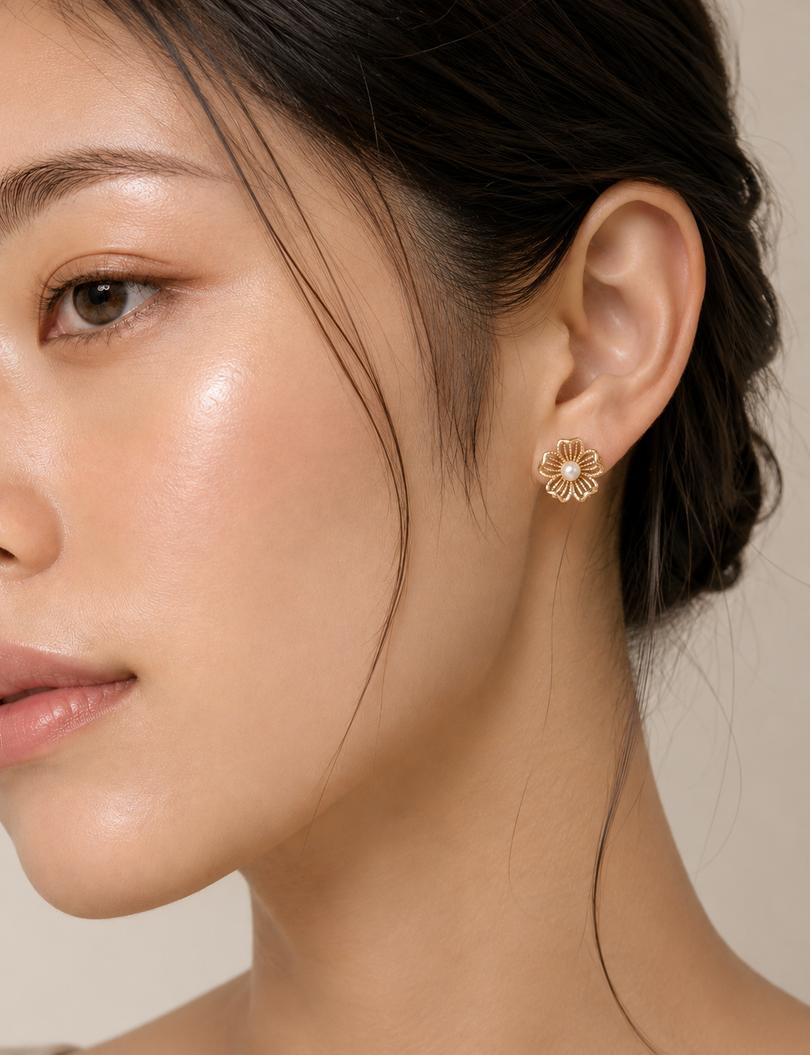
The foundation pieces: One pair of everyday earrings in certified 925 sterling silver or 18K gold vermeil. These should be lightweight, secure, and simple enough to wear with anything. Pearl studs or small gold vermeil hoops are the practical choice here — they look appropriate in nearly every context and don't require thought.
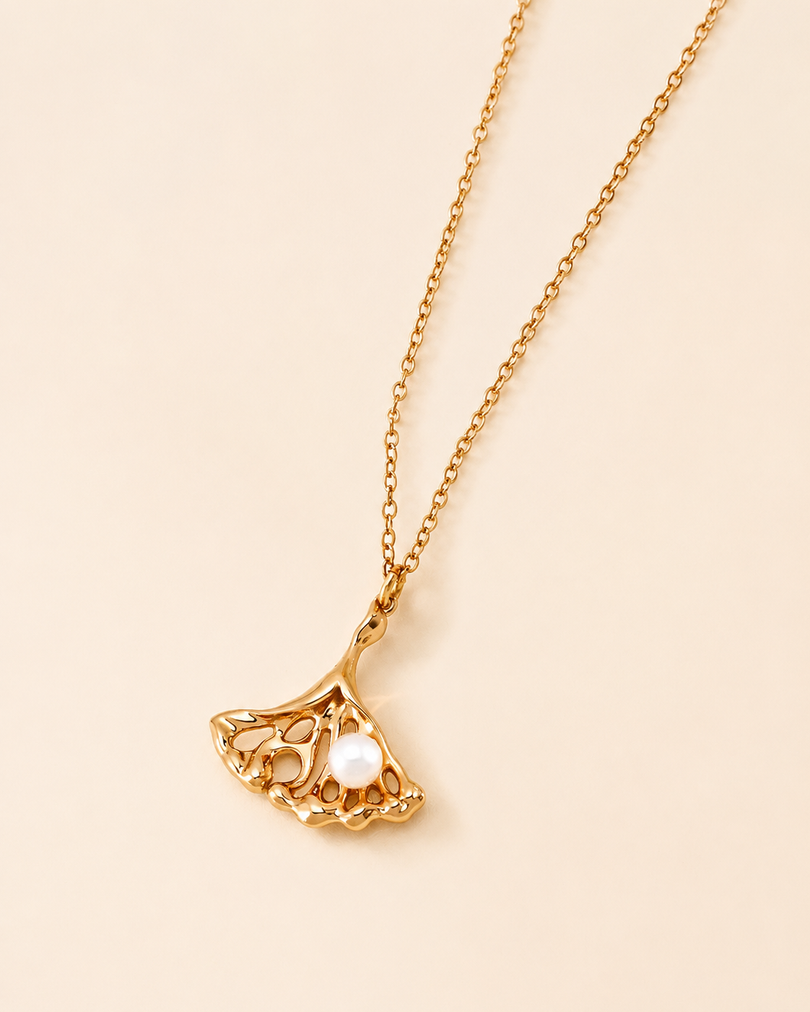
The layering necklace: One chain or pendant in the same material family as your earrings. This becomes the daily necklace that you don't have to think about. The goal is a piece that disappears into your outfit because your skin never reminds you it's there.
Optional additions: A bracelet if you like them — but be honest about whether bracelets work for your skin. Bracelets have more contact with the wrist, move more, and trap more moisture than earrings or necklaces. Some people with sensitive skin do better with earrings and necklaces but not bracelets.
When Reactions Still Happen
Even with the right materials and habits, reactions sometimes occur. A few scenarios to know about:
New piercing healing: Tenderness, mild redness, or pale crusting can occur during early healing, but worsening pain, heat, swelling, pus, or feeling unwell needs medical attention. Follow your professional piercer's instructions and the American Academy of Dermatology's piercing-care guidance.
Skin changes: Hormonal shifts, stress, and illness can all change how reactive your skin is. You might be fine with a piece for years and then react to it during a stressful period or health event. This doesn't mean the piece suddenly became reactive — it means your threshold changed temporarily.
Clasp and finding metals: A lot of people react to clasps or earring backs rather than the main piece. The clasp on a necklace or the butterfly back on an earring is often a different (and cheaper) metal than the piece itself. If you're reacting to a necklace, check the clasp material specifically. Replacing a clasp with a sterling silver one often solves the problem entirely.
How to Test a New Piece Before Committing
Wear a new piece for a short period on healthy skin, remove it if symptoms appear, and introduce one new material at a time. A reaction can be delayed or develop after repeated exposure, so two symptom-free days do not guarantee long-term tolerance. For recurring reactions, a clinician may recommend patch testing.
For earrings specifically: if your left ear is less sensitive than your right, test the new pair in your left ear first. This is a low-stakes way to gather real information before committing to wearing them in both ears.
This article is part of our Complete Guide to Jewelry for Sensitive Skin.
Medical and Regulatory Sources
This article provides general education, not a diagnosis or treatment plan. For persistent, severe, spreading, or infected-looking skin reactions, consult a qualified healthcare professional.
Frequently Asked Questions
Can I wear jewelry every day if I have a nickel allergy?
Some people with nickel allergy can wear carefully selected jewelry daily, but no material is suitable for everyone. Verify the metal used in every component, including posts, backs, clasps, solder, and findings, and prioritize documented nickel-release testing when available.
My skin does fine with jewelry in winter but reacts in summer. Why?
Heat and sweat accelerate nickel leaching from metal surfaces. The same piece that causes no issues in January can cause a reaction in July because more nickel is being released into your skin through perspiration. Switch to lower-contact styles in summer (studs over hoops, lighter chains), clean pieces more frequently, and remove them before any activity that makes you sweat.
Is it safe to sleep with earrings in if I have sensitive ears?
It's not the material that's the issue — it's the prolonged contact and friction. Most people with sensitive skin do better removing earrings overnight, regardless of the material. If you have a healed piercing that tends to close quickly, ask your piercer about flat back styles that are more comfortable to sleep in than butterfly backs.
What's the best jewelry for someone who's never found anything that works?
Start with implant grade titanium earrings — these are used in medical settings and are the most inert option available. If titanium works, you can move on to trying 925 sterling silver and 18K gold vermeil, which offer more design variety. If titanium also causes a reaction, see a dermatologist for patch testing — you may have multiple sensitivities or a skin condition that isn't metal-related at all.