
Pearl size is measured in millimeters — the diameter of the pearl. The right size depends on where you're wearing the pearl, the scale of your features, and the look you're going for. Here's exactly how to choose.
Pearl Size Chart by Jewelry Type
| Size | Look | Best For | Who It Suits |
|---|---|---|---|
| 5–6mm | Delicate, minimal | Everyday studs, accent beads, layering necklaces | Petite frames, minimalist style, younger wearers |
| 7–8mm | Versatile, balanced | Classic studs, pendants, drop earrings | Most face shapes and wrist sizes — the universal sweet spot |
| 9–10mm | Noticeable, polished | Statement studs, formal pendants, single-pearl rings | Larger frames, statement dressers, formal occasions |
| 11–12mm | Bold, commanding | Centerpiece pendants, cocktail earrings | Confident statement wearers, special occasions |
| 13mm+ | Dramatic | South Sea and Tahitian statement pieces | High-fashion contexts, investment jewelry |
Pearl Size for Stud Earrings
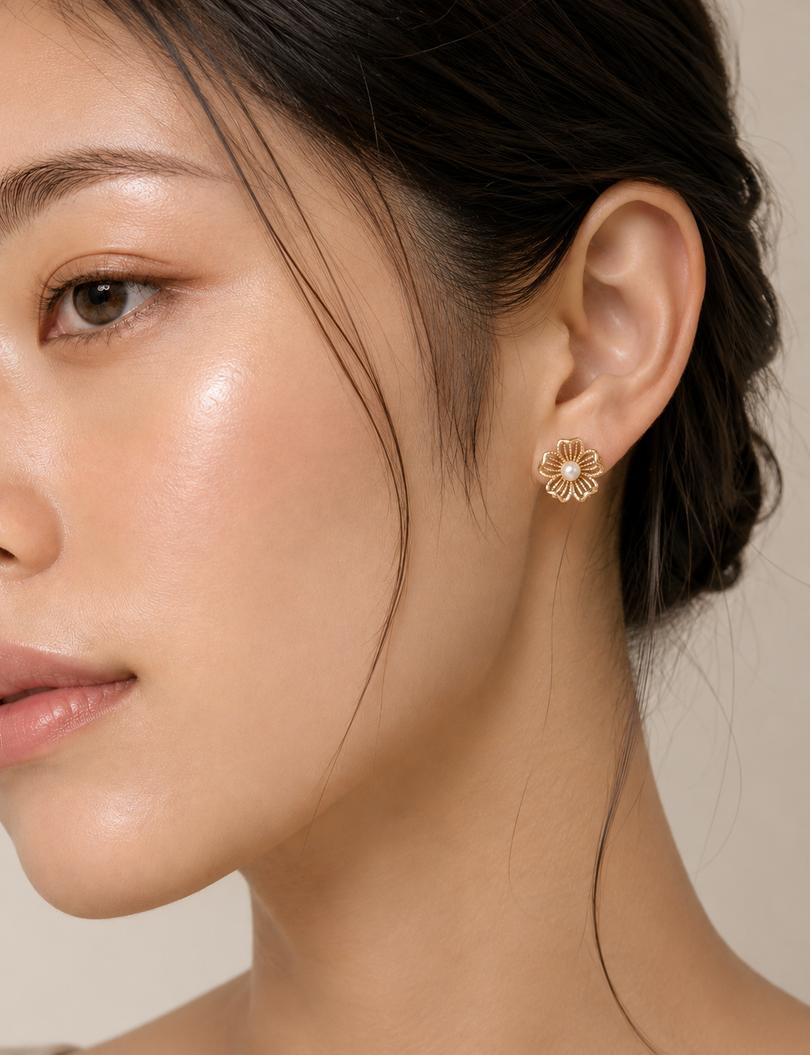
Stud earrings are where pearl size matters most — the pearl is the entire visual, with nothing else to balance it.
- 6–7mm: Subtle, daytime-appropriate. Good for small earlobes or minimalist preference. Reads as understated.
- 7–8mm: The most universally flattering stud size. Visible without being heavy. Works for most earlobes and face shapes.
- 8–9mm: Noticeably present. Feels more formal. Strong enough to anchor an outfit on its own.
- 9–10mm+: Statement territory. Best for larger earlobes and bold style preferences.
The rule of thumb: Your pearl studs should be roughly proportional to your earlobe. If the pearl is wider than your lobe, it looks heavy. If it disappears behind your lobe, it reads as too small.
Pearl Size for Necklaces and Pendants
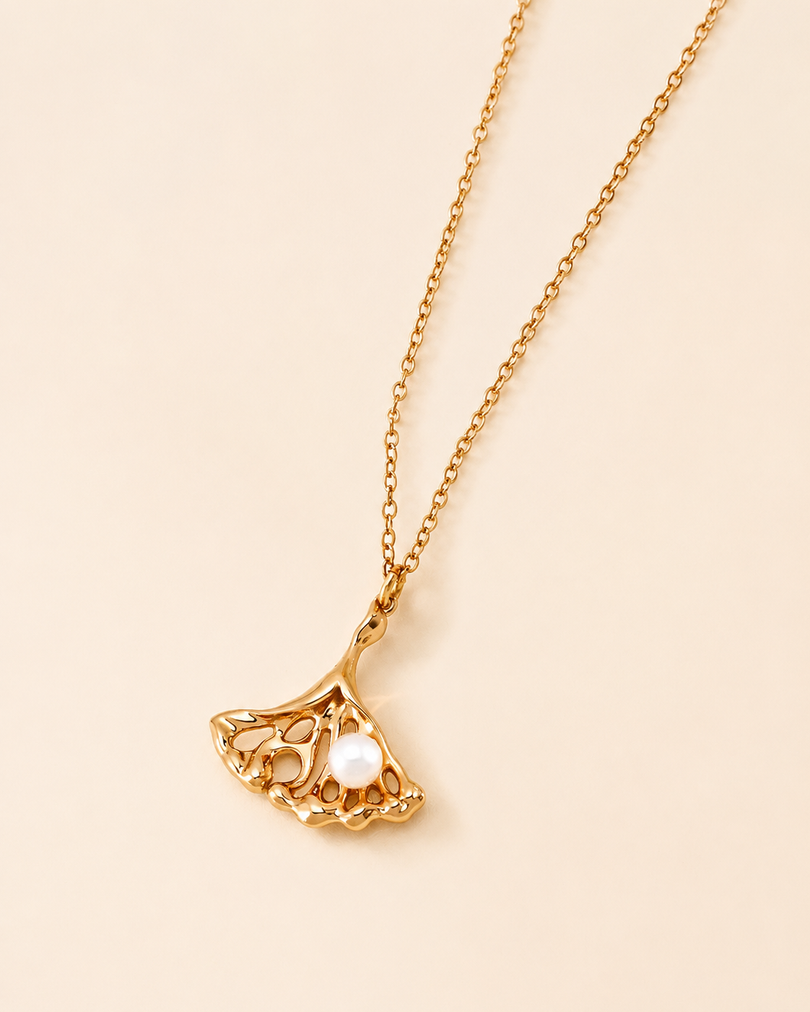
For a single pearl pendant on a chain, 8–10mm is the most wearable range — large enough to be seen clearly, small enough to feel wearable daily. Smaller pearls (6–7mm) on a pendant can look delicate and intentional; larger (11mm+) read as formal or statement.
For pearl strand necklaces, the standard graduating strand runs from 6mm at the ends to 7.5mm at the center. A uniform strand typically uses 7–8mm pearls throughout. Larger uniform strands (9–10mm) are formal; they read as a classic single strand rather than casual jewelry.
Pearl Size for Bracelets
Bracelets are worn on the wrist — a narrow area with limited visual real estate. The most flattering sizes:
- 6–7mm: Delicate, feminine, good for stacking with other bracelets
- 7–8mm: Balanced — visible as a standalone piece, still stackable
- 8–9mm: Bold standalone bracelet — reads as a single statement piece
How Pearl Size Affects Price
Pearl size and price scale together — but not linearly. Larger pearls require longer cultivation time in the mollusk, which means more risk of loss, disease, and quality failure during the longer growth period. The price jump from 7mm to 9mm is typically more than double, even for the same grade level.
| Size Range | Relative Price | Why |
|---|---|---|
| 5–7mm | Base | Short cultivation time, higher yield |
| 7–9mm | 1.5–2.5× base | Longer cultivation, lower yield, higher quality selection required |
| 9–11mm | 3–5× base | Extended cultivation, significant quality attrition |
| 11mm+ | 5–10×+ base | Rare, long cultivation, high loss rates |
The Best Size for Most Buyers: 7–8mm
If you're buying your first pearl jewelry piece and aren't sure what size to get: 7–8mm. It is the most universally flattering size for stud earrings and pendants. It photographs well, scales correctly for most wearers, and works across casual and formal contexts. Nearly all of Lia Atelier's core pearl pieces are built around this range — it's the sweet spot for a reason.
Frequently Asked Questions
How do I measure pearl size at home?
If you already own a pearl piece and want to know the size: use a millimeter ruler or digital calipers held across the widest point of the pearl. For round pearls, one measurement is sufficient. For baroque pearls, measure both the length and widest width — baroque sizing is typically listed as the longer dimension.
Does pearl size affect quality grade?
No — size and quality are graded independently. A 6mm pearl can be AAA; a 10mm pearl can be A grade. That said, producing larger pearls at AAA quality is harder (longer cultivation = more surface exposure = higher blemish risk), so large high-grade pearls command a premium for both reasons.
What size pearl earrings look best on a round face?
Drop-style pearl earrings in 7–9mm add vertical length and are the most flattering for rounder face shapes. Stud earrings in the same size range also work — avoid very large, wide studs (10mm+) that can visually widen the face area around the ear.
What size pearl is best for a gift?
7–8mm pearl studs are the safest gift size — flattering on nearly everyone, appropriate for most occasions, and universally wearable. See: Pearl Jewelry Gift Guide: Under $150, $200, $250
Can I mix pearl sizes in one outfit?
Yes — this is common in contemporary pearl styling. Larger baroque pendant (9–10mm) with smaller stud earrings (6–7mm) is a balanced combination. The contrast in size reads as intentional layering rather than a mismatch. Avoid sizes that are too close together (e.g., 7mm studs with an 8mm pendant) — the similarity without distinction reads as accidental rather than styled.